
Waterproof vs Water-Resistant Flooring for Florida Homes
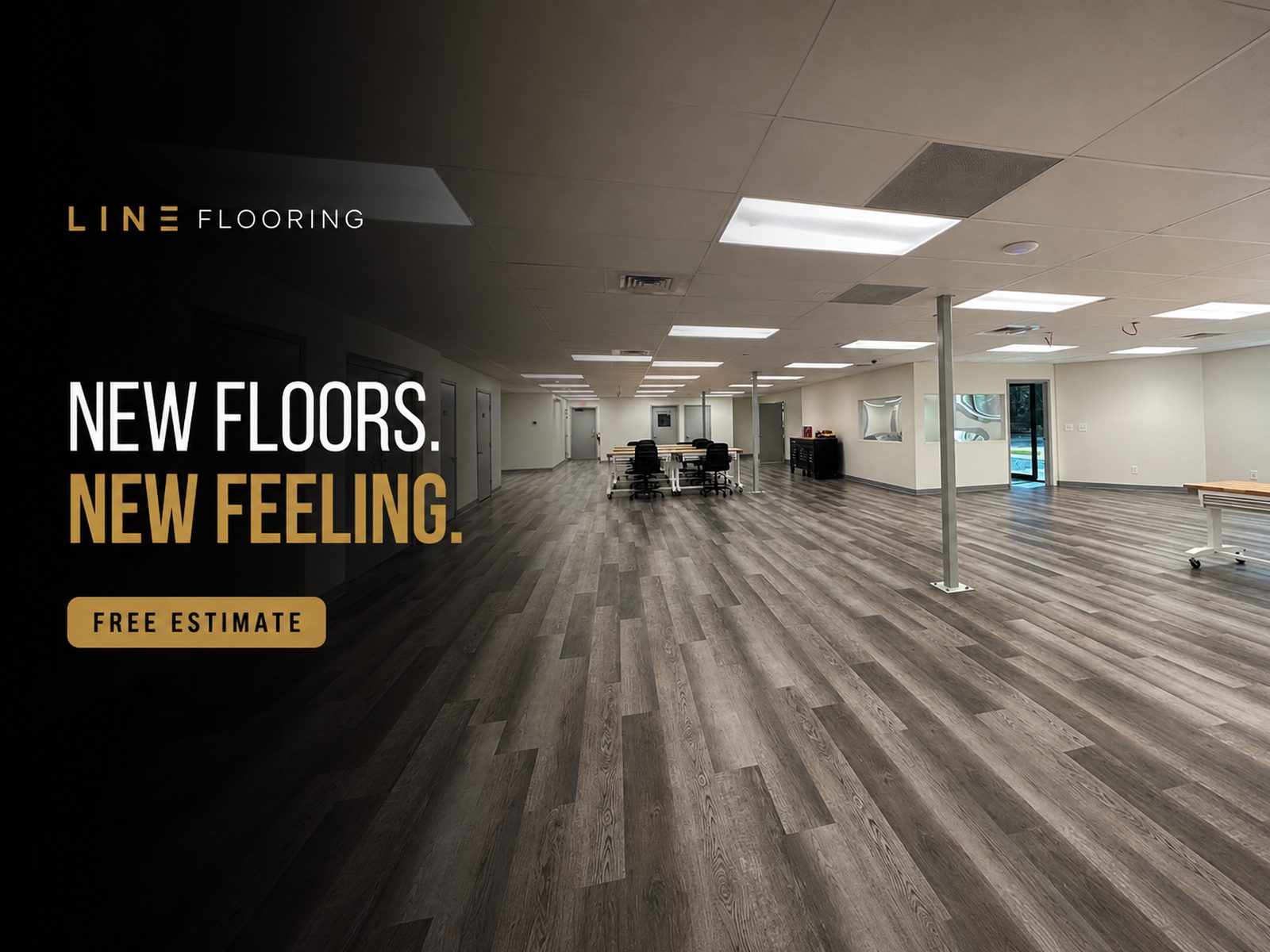
Florida's subtropical climate brings unique challenges for homeowners selecting flooring materials. High humidity, heavy rainfall, and moisture from coastal air or ground water make moisture resistance a critical consideration in any flooring decision. Understanding the difference between waterproof and water-resistant flooring helps you make an informed choice that protects your home and your investment.
What Makes Flooring Water-Resistant
Water-resistant flooring is designed to resist moisture absorption and withstand occasional spills or splashes. Materials treated with water-resistant finishes or coatings can handle normal household moisture without immediate damage. However, water-resistant flooring is not intended for direct water exposure or standing water. When water sits on the surface or seeps into seams and edges over time, moisture can penetrate and cause swelling, warping, or mold growth.
Water-resistant flooring is often a practical choice for living areas, bedrooms, and hallways where moisture exposure is limited and controlled. The material provides a protective barrier against everyday humidity and minor wet events.
Understanding Waterproof Flooring
Waterproof flooring is engineered to prevent water from penetrating the material completely. Truly waterproof products maintain their integrity even when exposed to standing water or prolonged moisture. These materials typically have sealed seams, waterproof underlayment, and core materials that don't absorb water. Waterproof flooring can handle wet environments without deterioration, making it suitable for kitchens, bathrooms, laundry rooms, and areas prone to moisture accumulation.
Florida-Specific Moisture Challenges
Central Florida homeowners face particular moisture concerns. Year-round humidity levels, occasional flooding during heavy rains, and the potential for ground moisture in some areas make moisture performance essential. In kitchens and bathrooms—two of the wettest zones in any home—waterproof or highly water-resistant options are recommended. The same applies to Florida laundry rooms, where moisture from washing machines and dryers can be significant.
For additional guidance on kitchen-specific flooring choices in Florida, explore our article on the best flooring for Central Florida kitchens, which addresses moisture considerations alongside durability and style.
Choosing Between the Two for Your Home
Your choice depends on the room's function and moisture exposure. Drier rooms like bedrooms and living areas may perform well with quality water-resistant flooring, while high-moisture areas such as bathrooms, kitchens, and entryways benefit from waterproof options. Consider your home's location, basement or ground-floor placement, and history of moisture issues when evaluating products.
Installation quality matters significantly. Proper sealing of seams, edges, and transitions—along with appropriate underlayment—enhance any flooring's moisture resistance. This is why working with experienced flooring installers makes a real difference in long-term performance.
Next Steps for Your Flooring Selection
When you're ready to evaluate specific materials and discuss which approach fits your Florida home best, professional flooring installation services can help you assess your space and select products suited to your climate and lifestyle. A detailed site evaluation ensures your new flooring is protected against Florida's moisture challenges from day one.
Material Options for Waterproof and Water-Resistant Flooring
Different flooring materials offer varying levels of moisture protection, and understanding these options helps guide your selection. Luxury vinyl plank (LVP) and rigid core vinyl are engineered to be waterproof at the core, making them excellent choices for Florida homes. Ceramic and porcelain tile provide true waterproof surfaces when properly installed and sealed. Stone and slate, while naturally water-resistant, require careful sealing and maintenance to prevent moisture penetration over time.
Laminate flooring, despite water-resistant surface treatments, is generally unsuitable for high-moisture areas in Florida because water can enter through seams and underlayment. Traditional hardwood is water-resistant but not waterproof and performs poorly in consistently humid environments or wet rooms. Engineered hardwood offers improved moisture stability compared to solid hardwood but still requires careful placement away from primary moisture sources.
Installation and Maintenance Impact on Performance
Even the best waterproof or water-resistant material will fail if installation and maintenance are inadequate. Proper installation includes sealing all seams, edges, and transitions with appropriate products designed for your specific flooring type. Underlayment selection matters significantly—vapor barriers and moisture-blocking underlayments add essential protection against ground moisture common in Central Florida. Bathroom and kitchen installations require extra attention to transitions between flooring types and adjoining materials.
Ongoing maintenance preserves moisture protection. Regular cleaning with appropriate methods and products, prompt cleanup of spills, and monitoring for signs of moisture damage help extend your flooring's lifespan. Maintaining good ventilation in kitchens, bathrooms, and laundry rooms reduces ambient humidity that can degrade even waterproof materials over extended periods.
Questions to Ask Before Your Installation
When consulting with a flooring professional, ask about the specific moisture performance specifications of any material you're considering. Request details on sealing protocols for seams and edges, and confirm what underlayment or vapor barrier will be used. Discuss your home's history with moisture issues, ground-floor or basement installation concerns, and any structural factors that affect moisture risk. Understanding warranty coverage related to moisture damage also helps clarify what protection the manufacturer provides and what remains your responsibility through maintenance.
Cost and Budget Considerations for Water-Resistant vs Waterproof Options
Material costs vary significantly between water-resistant and waterproof flooring choices. Water-resistant options like laminate or basic vinyl tend to have lower upfront costs but may require replacement sooner in moisture-prone areas. Waterproof materials such as luxury vinyl plank, porcelain tile, and rigid core vinyl typically carry higher initial expenses but offer longer-term durability in Florida's climate. Beyond material selection, installation costs reflect the complexity of proper sealing, underlayment installation, and moisture-blocking preparation—all critical to performance in Central Florida homes.
When budgeting for flooring replacement, factor in the cost of professional site assessment to identify moisture risks specific to your home. Some properties benefit from additional moisture mitigation measures before flooring installation, which affects overall project scope. Request detailed quotes that clarify what preparation, underlayment, and sealing protocols are included, as these directly impact the flooring's ability to withstand Florida's moisture challenges.
Moisture Testing and Site Assessment Before Installation
Professional flooring installers often recommend moisture testing before selecting and installing new flooring, particularly in kitchens, bathrooms, or ground-floor spaces. Testing identifies whether moisture is coming from above (spills, splashes, humidity) or below (ground moisture, foundation issues). This distinction influences both material selection and installation approach. Ground moisture requires vapor barriers and appropriate underlayment that surface-level moisture may not necessitate.
If your home has experienced water damage, flooding, or persistent dampness, sharing this history with your flooring professional ensures they select products and employ installation methods designed for your specific risk profile. Understanding your home's moisture behavior—whether from seasonal humidity spikes, proximity to standing water, or structural factors—allows you to choose flooring that will perform reliably over time.
Long-Term Performance and Florida Climate Durability
Water-resistant and waterproof flooring perform differently over years of exposure to Florida's relentless humidity and moisture. Water-resistant materials may degrade more quickly if subjected to consistent high humidity or repeated moisture exposure, even without standing water. Waterproof flooring maintains integrity longer under the same conditions, making it a more durable long-term investment for most Central Florida homes.
Seasonal variations matter as well. Summer humidity peaks and heavy rain events create temporary moisture spikes that even properly installed water-resistant flooring can struggle to manage. Waterproof options provide consistent protection year-round. When planning flooring for your home's future, consider not just current conditions but also anticipated lifespan and whether you intend to keep the flooring long-term or prepare for eventual replacement.
Waterproof vs Water-Resistant: Key Performance Differences for Florida
The distinction between waterproof and water-resistant matters significantly when evaluating flooring durability in Florida's environment. Water-resistant flooring repels moisture but can eventually absorb water through microscopic gaps, seams, or after prolonged exposure. Waterproof flooring is engineered with impermeable core materials and sealed construction that prevents water absorption entirely, even during extended contact or submersion. For homeowners choosing between these categories, understanding this fundamental difference shapes expectations about where each type performs best and how long each will last in your specific rooms.
Evaluating Your Home's Moisture Risk Profile
Before selecting flooring material, assess your home's particular moisture vulnerabilities. Consider whether your property sits on a slab foundation or has a basement—slab homes often experience ground moisture migration that affects ground-floor spaces. Note any history of water intrusion, standing water in certain areas during heavy rains, or persistent dampness you've noticed seasonally. Identify rooms with plumbing fixtures, appliances that discharge water, or direct exterior access where wet shoes and weather enter regularly. Homes near water bodies or in flood-prone neighborhoods face higher moisture risk than inland properties. This assessment guides which rooms truly need waterproof flooring versus where quality water-resistant options may suffice, helping you balance performance needs with budget constraints.
Making Your Decision: Practical Selection Criteria
Once you've identified your moisture risk profile, match it to flooring characteristics. Waterproof materials make sense for bathrooms, kitchens, laundry rooms, entryways, and any ground-floor spaces prone to moisture. Water-resistant options may work for master bedrooms, formal living areas, and upper-floor rooms where moisture exposure is controlled. Consider traffic patterns and lifestyle factors—homes with young children, pets, or frequent entertaining often benefit from waterproof selections throughout, reducing replacement costs from accidents or spills over time. Think also about your timeline: waterproof flooring typically requires higher initial investment but extends the period before replacement becomes necessary, while water-resistant materials may demand earlier replacement in high-moisture environments. Discussing these trade-offs with your flooring professional helps ensure your selection aligns with your home's actual conditions and your long-term comfort.
Ready to stop living around a to-do list?
Get a free, no-pressure estimate and a real timeline — usually within 24 hours.