
Best Flooring for Central Florida Kitchens: What Actually Holds Up
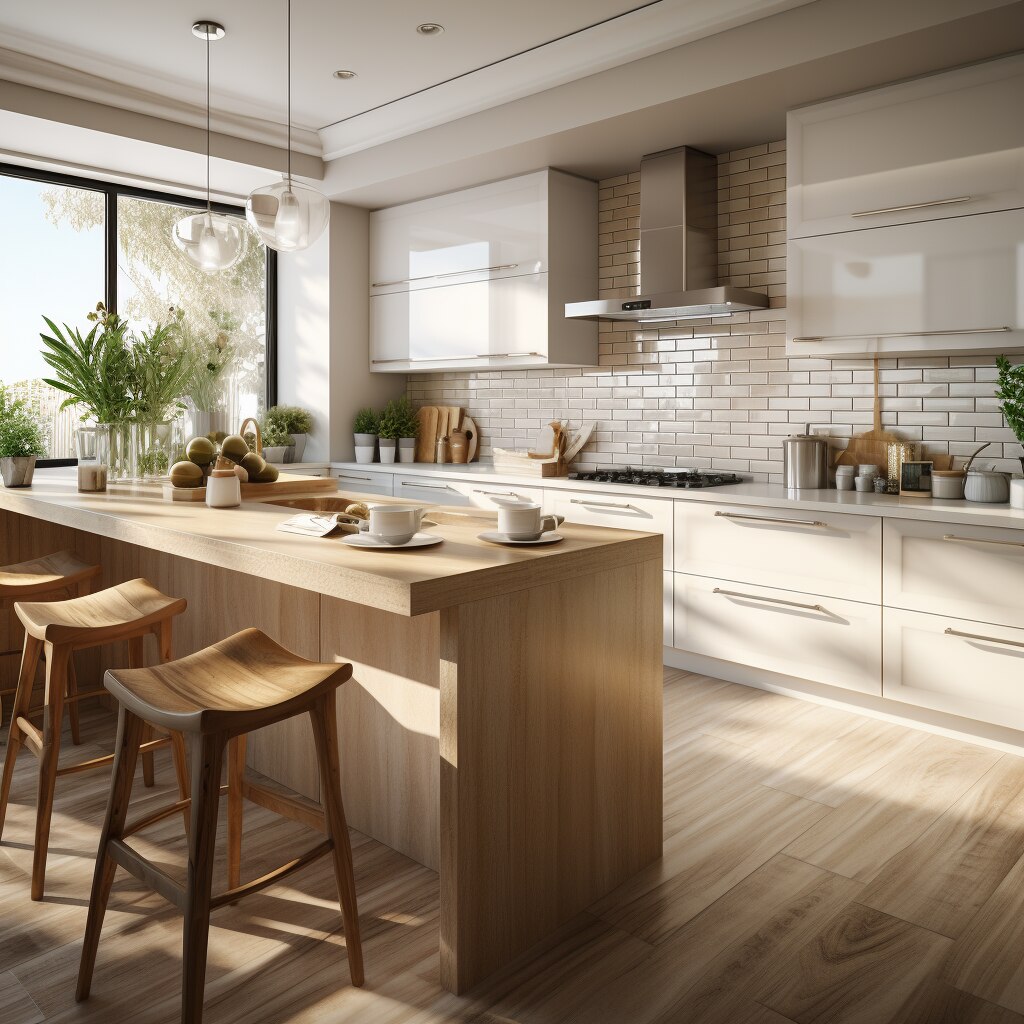 Best Flooring for Kitchens
Kitchens take more abuse than almost any other room in the house. Water from the sink and dishwasher, grease splatter, dropped pans, kids and pets running through, and constant foot traffic during cooking. If you're planning a kitchen remodel or just replacing worn flooring, the material you pick matters more here than in a bedroom or living room. Here's an honest breakdown of what actually holds up in a Central Florida kitchen.
Why kitchen flooring is different from every other room
A kitchen floor deals with water exposure daily, not occasionally. Ice makers leak, dishwashers overflow, and spills happen mid-cook when you don't have time to wipe them up right away. On top of that, kitchens see constant impact from dropped utensils, cast iron pans, and moved appliances. Whatever you install needs to resist water intrusion at the seams, resist scratching and denting, and be easy to clean without special products.
Luxury vinyl plank: the practical choice for most kitchens
LVP has become the default recommendation for Central Florida kitchens for good reason. It's fully waterproof core to surface, so a dishwasher leak overnight won't ruin the subfloor the way it would with hardwood. It also resists dents and scratches better than laminate, handles temperature swings from ovens without warping, and comes in wood-look and stone-look finishes that match almost any kitchen style. The wear layer thickness varies by product, so if you're comparing options, ask what wear layer rating you're getting - thicker generally means better long-term durability in a high-traffic kitchen.
Tile: still a strong option, with tradeoffs
Porcelain and ceramic tile are essentially immune to water damage on the surface, which makes tile a reasonable choice for kitchens, especially open-concept spaces where tile continues from a bathroom or entry. The tradeoff is the grout lines, which can stain and need periodic sealing, and the hardness of the surface, which means dropped glassware breaks more often and standing on tile for long cooking sessions is harder on your feet and back than a slightly softer surface like LVP. Tile also tends to run cooler underfoot, which some homeowners like in Florida and others don't.
What to avoid in a kitchen
Solid hardwood is a poor match for kitchens in this climate. Even sealed, any standing water at the sink or dishwasher edge over time will find its way into seams and cause cupping or warping, and Central Florida humidity makes that worse. Laminate is also risky in a kitchen because most laminate cores are not waterproof - a spill left overnight can swell the boards permanently. Carpet obviously isn't appropriate for a kitchen at all. If you love the look of wood, a wood-look LVP gets you the aesthetic without the water risk.
For most Central Florida kitchens, waterproof LVP is the safest, most cost-effective choice, with tile as a solid runner-up if you prefer a harder, more traditional surface. Whatever you choose, make sure it's installed with proper underlayment and sealed transitions where it meets other rooms - that's usually where water problems start, not in the middle of the floor.
Ready to stop living around a to-do list?
Get a free, no-pressure estimate and a real timeline — usually within 24 hours.