
Screen Room vs Sunroom: Which Fits Your Orlando Home?
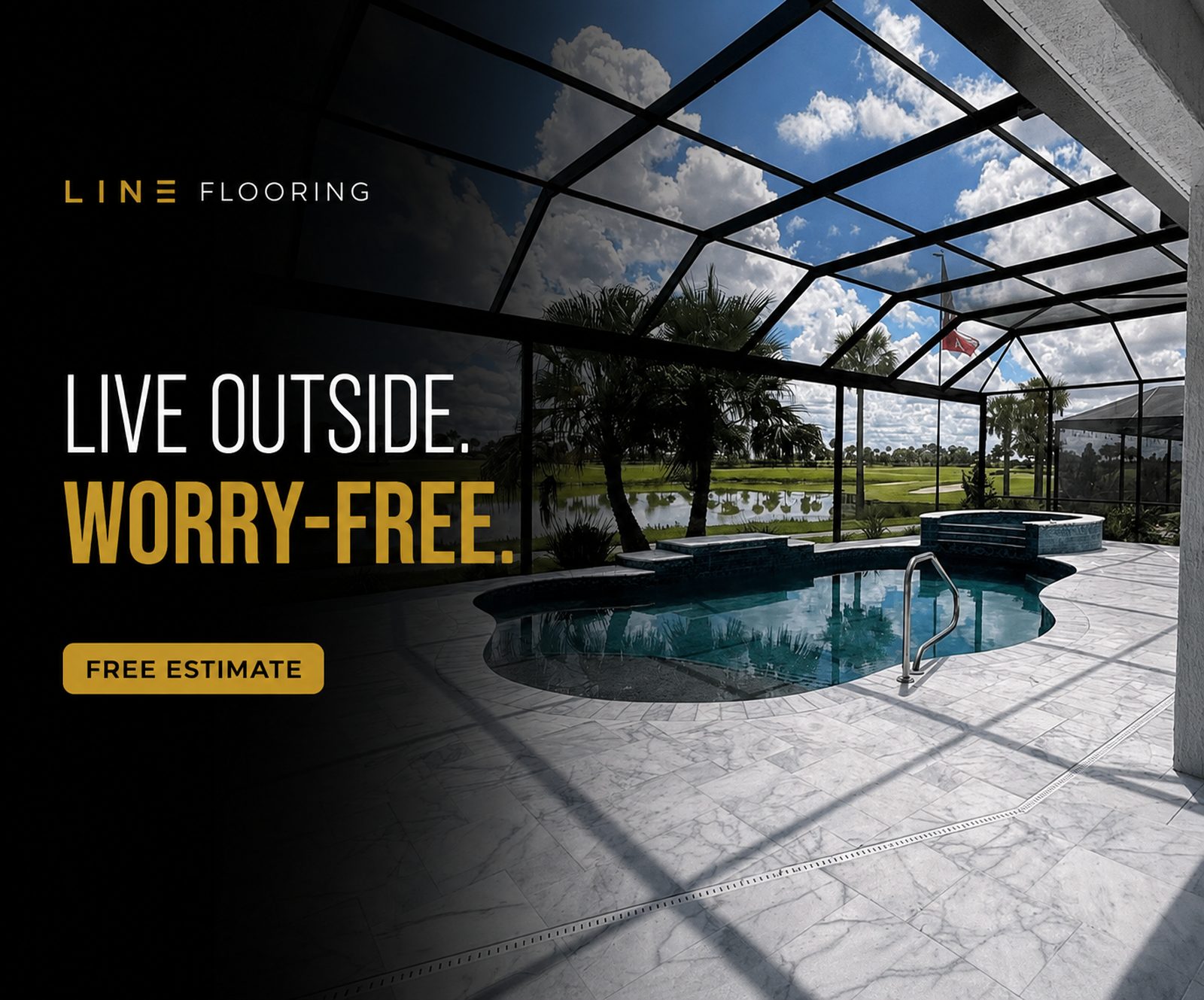
Adding outdoor living space is one of the most popular home improvements in Central Florida. When homeowners consider expanding their living areas, two options often come to mind: a screen room and a sunroom. While these projects share similarities—both extend usable square footage and enhance indoor-outdoor living—they serve different purposes and come with distinct advantages and considerations.
What Is a Screen Room?
A screen room is a covered structure with screening material on the walls and roof openings. The frames are typically aluminum or wood, and the screening allows air circulation while keeping out insects, debris, and intense sun exposure. Screen rooms are open-concept designs that maintain a connection to the outdoor environment while providing practical protection.
Screen rooms work well for homeowners who want to enjoy the breeze and outdoor feel without the bugs and falling leaves. They're particularly popular in Florida, where mosquitoes and afternoon thunderstorms are common concerns.
What Is a Sunroom?
A sunroom, also called a solarium or sun porch, features glass walls and roof panels instead of screening. This fully enclosed space traps solar heat and creates a bright, controlled environment. Sunrooms may include options like operable windows, skylights, or removable panels, but they're designed to be climate-controlled year-round.
Sunrooms offer a room-like experience and significantly increase the thermal mass of your home. During cooler months, they can serve as passive solar heating spaces, though Florida's climate means summer cooling becomes the primary concern.
Key Differences to Consider
Airflow and ventilation: Screen rooms allow natural breezes to flow freely. Sunrooms are enclosed, so they rely on air conditioning or mechanical ventilation to stay comfortable.
Light and views: Both options maximize natural light, but sunrooms create a more defined interior space, while screen rooms preserve an open, airy feel.
Insect and weather protection: Screening keeps out bugs and some debris but doesn't stop wind-driven rain. Glass in a sunroom provides weathertight protection.
Year-round usability: Screen rooms are most comfortable spring through fall in Florida. Sunrooms can be used year-round if climate-controlled, though summer heat management is essential in Central Florida.
Project scope: Screen rooms are typically less complex than sunrooms. Factors like electrical needs, HVAC integration, and building code compliance vary depending on the design and your local jurisdiction. Budgets and timelines depend on scope, material selections, site conditions, and permitting timelines.
Which Option Fits Your Goals?
Choose a screen room if you prioritize natural ventilation, enjoy outdoor aesthetics, want lower construction complexity, and prefer seasonal use. It's an excellent choice for homeowners who entertain on a semi-regular basis and want protection from bugs without the cost of climate control.
Choose a sunroom if you need year-round usability, want a dedicated interior space that feels like a room, expect to use the area during hot afternoons, or value weather protection from intense rain and wind.
Before deciding, consider how you plan to use the space, your comfort preferences during Florida's heat and humidity, and how the addition aligns with your home's overall design. You may also want to explore related home improvement topics like flooring options for enclosed porches, which applies to both project types.
Whether you're leaning toward a screen room or sunroom, working with a local contractor familiar with Florida's climate, building codes, and permit requirements is essential to ensure your project meets your vision and functions reliably for years to come.
Important Planning Considerations for Central Florida
Before moving forward with either option, understanding how Florida's specific climate and building environment affect your project helps avoid surprises during construction and after installation.
Permitting and Code Requirements
Both screen rooms and sunrooms typically require permits in Central Florida jurisdictions. The specific requirements—including setback distances from property lines, foundation specifications, roof load calculations, and electrical or HVAC work—vary by location and project scope. Confirm permitting requirements and responsibility for your specific address and design with your local building department. The complexity and timeline of permitting can differ significantly between a simple screen enclosure and a sunroom with climate control systems.
Foundation and Structural Planning
Central Florida's sandy soil, moisture conditions, and occasional settling patterns mean foundation planning matters for both project types. Screen rooms may use post footings or a simple slab, while sunrooms typically require more substantial foundations to support the weight of glass, framing, and HVAC equipment. Site conditions, soil composition, and existing drainage patterns on your property influence what's feasible and what approach works best.
Questions to Ask Before You Decide
- How many months per year do you realistically plan to use this space in Central Florida's heat and humidity?
- Do you need the space to connect to your home's air conditioning system, or is it a seasonal retreat?
- Are there trees nearby that drop leaves or branches, or is mosquito season a primary concern?
- How important is it that the addition matches your home's exterior style and increases resale appeal?
- What does your homeowner's insurance or HOA (if applicable) require for enclosed or semi-enclosed structures?
Taking time to answer these questions clearly helps align your choice with realistic expectations and your home's long-term use patterns.
Maintenance and Long-Term Care Differences
Understanding the ongoing maintenance requirements of each option helps you plan for realistic upkeep and cost over time. Screen rooms and sunrooms demand different types of care, and choosing the right fit depends partly on how much time and effort you're willing to invest.
Screen room maintenance focuses primarily on the screening material itself. Screens can tear from impact, pet claws, or normal wear, requiring patting or full panel replacement. Frames need periodic cleaning to remove dust, pollen, and mildew common in Florida's humid environment. Gutters and drainage channels should be cleared regularly, especially during fall when trees shed leaves. Because screen rooms don't trap heat or require climate control, mechanical maintenance is minimal.
Sunroom maintenance involves glass care, weatherstripping inspection, and any mechanical systems integrated into the space. Glass requires regular cleaning inside and out, and seals around panels should be inspected to prevent water intrusion—particularly important in Central Florida's heavy rain season. If your sunroom includes operable windows, skylights, or motorized shades, these components may need servicing. Any HVAC ducts or vents extending into the sunroom should be included in your home's regular air conditioning maintenance schedule.
Resale and Home Value Considerations
Both screen rooms and sunrooms can enhance your home's appeal and usable square footage, but they're valued differently by potential buyers and appraisers. Screen rooms are often viewed as a practical, seasonal upgrade that appeals to those seeking bug-free outdoor entertaining. Sunrooms, particularly those with climate control and quality construction, may be treated more like an additional room and factored into overall living space calculations.
The impact on resale value depends on the quality of construction, local market preferences, how well the addition matches your home's style, and whether the space feels like a thoughtful extension rather than an afterthought. Building permits and code compliance play a role here as well—unpermitted work can complicate inspections and appraisals. Discussing resale implications with a local real estate professional familiar with Central Florida properties can help inform your decision.
Making Your Final Decision: A Practical Comparison Framework
After weighing the differences, a structured approach can help clarify which option truly aligns with your household. Consider creating a simple comparison based on your specific situation rather than general preferences.
First, evaluate your actual usage patterns. Track how often you currently use outdoor spaces during different seasons. If you find yourself outdoors primarily during mild months (October through April in Central Florida), a screen room delivers the protection you need without the expense of year-round climate control. If you envision regular use even during summer afternoons, or if entertaining guests comfortably during humid months is important, a climate-controlled sunroom becomes more practical.
Second, assess your property's physical constraints. Screen rooms require less structural intervention and can often work on existing patios or decks with minimal foundation work. Sunrooms need adequate space, proper sun orientation (especially if you want passive solar benefit in winter), and stable soil conditions. Walk your property at different times of day to observe sun patterns, wind exposure, and existing drainage. These observations inform whether either option is practical for your specific location.
Third, honestly evaluate maintenance commitment. Screen repair and frame cleaning are straightforward tasks many homeowners handle themselves, though professional rescreening services are available if needed. Sunroom maintenance often requires professional glass cleaning, seal inspection, and HVAC service—ongoing expenses that should factor into your budget planning.
Finally, consult with a local contractor early in your decision process. A professional can assess your site, clarify permit requirements for your specific jurisdiction, discuss material options suited to Central Florida's climate, and provide realistic scope expectations. This conversation often clarifies which option makes practical and financial sense for your home and goals.
Ready to stop living around a to-do list?
Get a free, no-pressure estimate and a real timeline — usually within 24 hours.