
How Screen Rooms Help Create a More Usable Outdoor Space in Central Florida
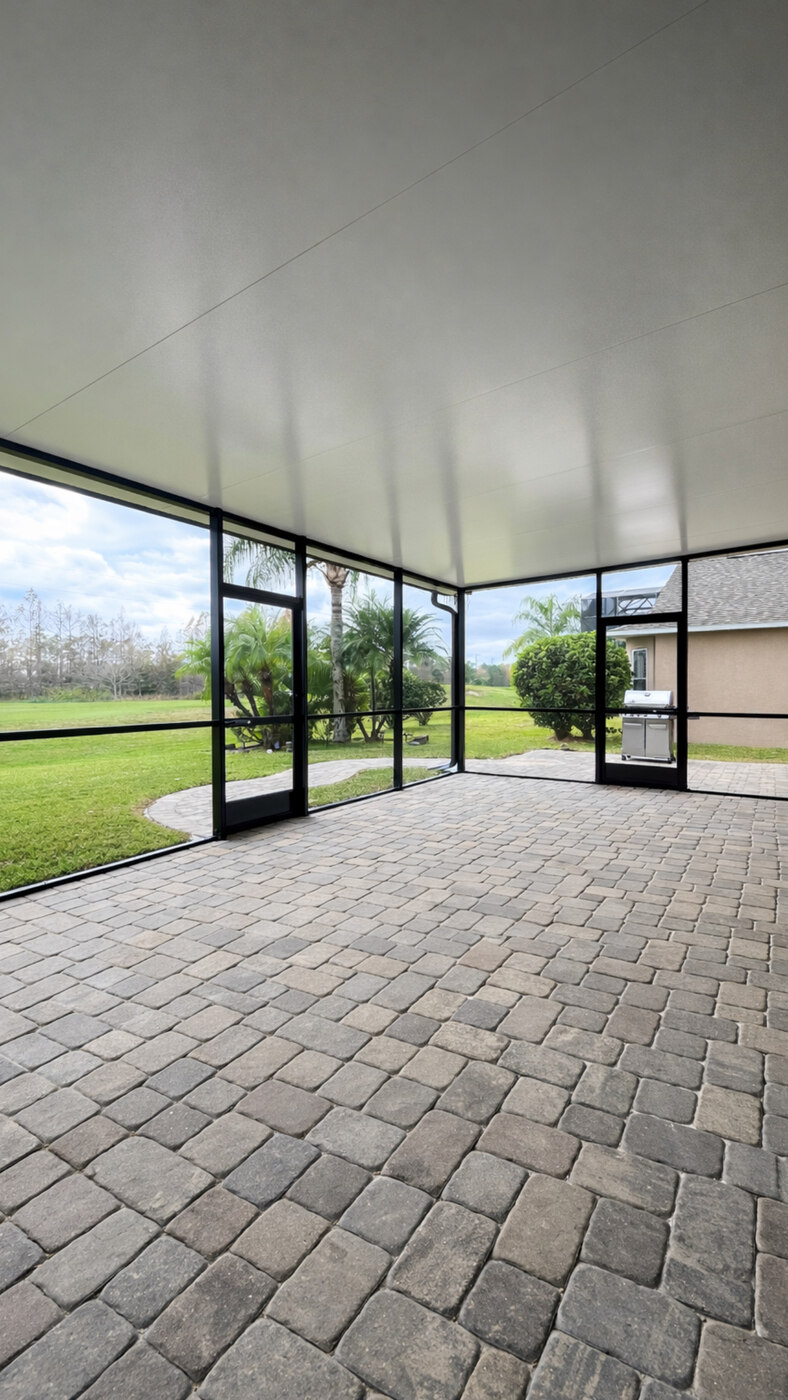
Florida's year-round outdoor season is one of the region's greatest assets—but heat, humidity, insects, and afternoon thunderstorms can quickly turn a porch or patio into an uncomfortable retreat. A screen room solves this challenge by creating a protected outdoor living area that lets you enjoy the fresh air without the frustrations.
Extending Your Living Space Year-Round
In Central Florida, outdoor entertaining happens across all twelve months. A screen room bridges the gap between your interior home and your backyard by providing a dedicated zone that feels open yet protected. You gain a comfortable spot for morning coffee, evening gatherings, or quiet afternoon relaxation without the commitment of a fully enclosed structure.
This intermediate approach appeals to homeowners who want more from their outdoor areas but aren't ready for a major renovation. Unlike a bare patio, a screened space feels like an extension of your home. Unlike a fully enclosed room, it maintains that indoor-outdoor connection Floridians value.
Protection From Weather and Insects
Central Florida's climate brings benefits and challenges. Summer afternoons often include brief but intense thunderstorms, and insect pressure stays high throughout the year. A screen room keeps rain off your furniture and guests while allowing air circulation. Mosquitoes, flies, and other pests stay outside, letting you relax without constant swatting or bug spray applications.
The screening also reduces UV exposure, which matters for both comfort and the longevity of outdoor furnishings. Fabric colors fade slower, and cushioning lasts longer when protected from direct sun.
Flexible Design for Your Home
Screen rooms adapt to many home layouts and budgets. Whether you're adding one to an existing porch, lanai, or patio area, the flexible design works with what you have. Some homeowners integrate flooring upgrades as part of the project—especially if the ground surface needs refresh or leveling.
If you're already planning updates to your outdoor area, combining screen installation with flooring choices suited to Florida's environment can create a cohesive, finished look that feels intentional and premium.
A Practical First Step
For many Central Florida homeowners, a screen room represents a practical middle path. It's more functional than an open patio, requires less investment than full enclosure, and doesn't involve the same permitting complexity as a permanent structure. You gain measurable improvements to daily comfort and entertaining without overcommitting to a single vision of how you'll use that space.
If you're ready to explore how a screen room could work for your home, the team at Line Flooring LLC can discuss your space, outdoor entertainment needs, and any complementary upgrades that might tie your project together.
Questions to Ask When Planning Your Screen Room
Before moving forward with a screen room project, clarify a few key details about your space and needs. Understanding these factors helps you and your contractor align on scope and expectations.
- What is the primary purpose of this space? Will it serve as a dining area, lounge zone, guest retreat, or multi-purpose entertaining area?
- How much time do you spend outdoors currently, and what weather conditions stop you from using that space?
- Is your existing patio or porch structurally sound, or does it need repairs or reinforcement before screening?
- Do you want the screen room to match your home's architectural style, or are you prioritizing function over aesthetics?
- Are there utility concerns—like electrical outlets, ceiling fans, or lighting—you'd like to incorporate?
- What is your timeline, and are there seasons when you'd prefer to complete the project?
Scope Considerations for Central Florida Homes
Screen room projects vary based on what already exists. If you're adding screening to an existing covered porch with a solid roof and floor, the work is generally straightforward. However, if your patio is exposed to full sun or has uneven surfaces, you may want to address those conditions as part of the planning process.
Central Florida's humidity and occasional high winds mean screen material selection and frame durability matter. Discussing ventilation, drainage, and material grades with your contractor ensures the finished space performs well year after year. Some homeowners also explore partial screening—leaving one side open—to capture breezes while still filtering insects and reducing UV intensity.
Once your screen room is in place, maintaining the screening and frame through regular cleaning keeps the investment looking fresh and functioning properly.
Screening Material Options and Durability in Florida
Not all screen materials perform equally in Central Florida's environment. Standard fiberglass screening is affordable and allows excellent visibility and airflow, but it can tear or develop small holes over time with wear. Aluminum screening resists tears better and offers increased durability, though it may slightly reduce visibility compared to fiberglass.
For households with pets or children, pet-resistant screening withstands more aggressive contact and punctures. Some homeowners also consider solar screens, which block additional heat and UV radiation while still allowing views and ventilation—a practical choice for spaces where afternoon sun exposure drives you indoors.
Frame material matters as well. Aluminum frames resist rust and require minimal maintenance in Florida's humid climate, while wood frames demand regular treatment to prevent moisture damage. Your contractor can explain the trade-offs between initial investment, maintenance requirements, and expected lifespan for each combination.
Ventilation and Airflow Planning
One advantage of screen rooms is maintaining natural air movement, but layout affects how effectively breezes flow through the space. If your porch or patio has walls on multiple sides, air can feel stagnant. Discussing screen placement and frame configuration with your contractor helps ensure cross-ventilation when possible.
Some Central Florida homeowners add ceiling fans to screened spaces, which requires planning for electrical work before installation. Others leave sections of the screening removable or install partial screens that allow more direct airflow while still filtering insects and reducing UV. These decisions depend on your priorities and how you plan to use the space during different seasons and times of day.
Moving Forward With Your Screen Room Project
Once you've clarified your needs, considered scope details, and explored material options, connecting with a qualified contractor helps move planning into action. Line Flooring LLC can walk through your specific space, discuss how screening integrates with any complementary upgrades, and outline what the process looks like for your situation. Whether your project is straightforward screening addition or includes flooring, drainage, or structural preparation, having those conversations early sets you up for a finished result that meets your expectations.
Budgeting and Timeline Expectations
Screen room costs and project timelines vary based on the size of your space, material selections, site conditions, and whether additional work—such as flooring repairs or electrical upgrades—is included. A straightforward screening installation on an existing covered structure typically progresses faster than a project requiring foundation work or extensive surface preparation.
Seasonal factors matter in Central Florida. Summer thunderstorm season and peak contractor demand can affect availability and scheduling. Discussing your preferred timeline upfront helps your contractor plan accordingly and set realistic expectations for when work begins and completes.
Permits and Code Compliance
Screen room requirements vary by municipality within Central Florida. Some installations qualify as minor modifications requiring no permits, while others may trigger inspection requirements depending on scope, attachment methods, or whether structural changes are involved. Local code also affects material standards, frame attachment specifications, and wind-load considerations appropriate for your area.
Clarify permit responsibility and requirements with your contractor during the initial planning conversation. Understanding what applies to your specific project and location prevents delays and ensures the finished work meets local standards.
Maintenance and Long-Term Care
A screen room requires basic upkeep to maintain performance and appearance. Regular cleaning of screens removes dust, pollen, and debris that accumulate in Florida's environment. Checking frame seals and addressing small tears or holes early prevents water penetration and pest entry. Inspecting attachment points and hardware periodically ensures structural integrity, especially after severe weather.
The maintenance burden is modest compared to the year-round usability gain, but it's worth factoring into your decision. Most homeowners find that occasional cleaning and minor repairs keep their screened spaces functioning well for many years.
Ready to stop living around a to-do list?
Get a free, no-pressure estimate and a real timeline — usually within 24 hours.