
Best Countertop Features for a Florida Outdoor Kitchen
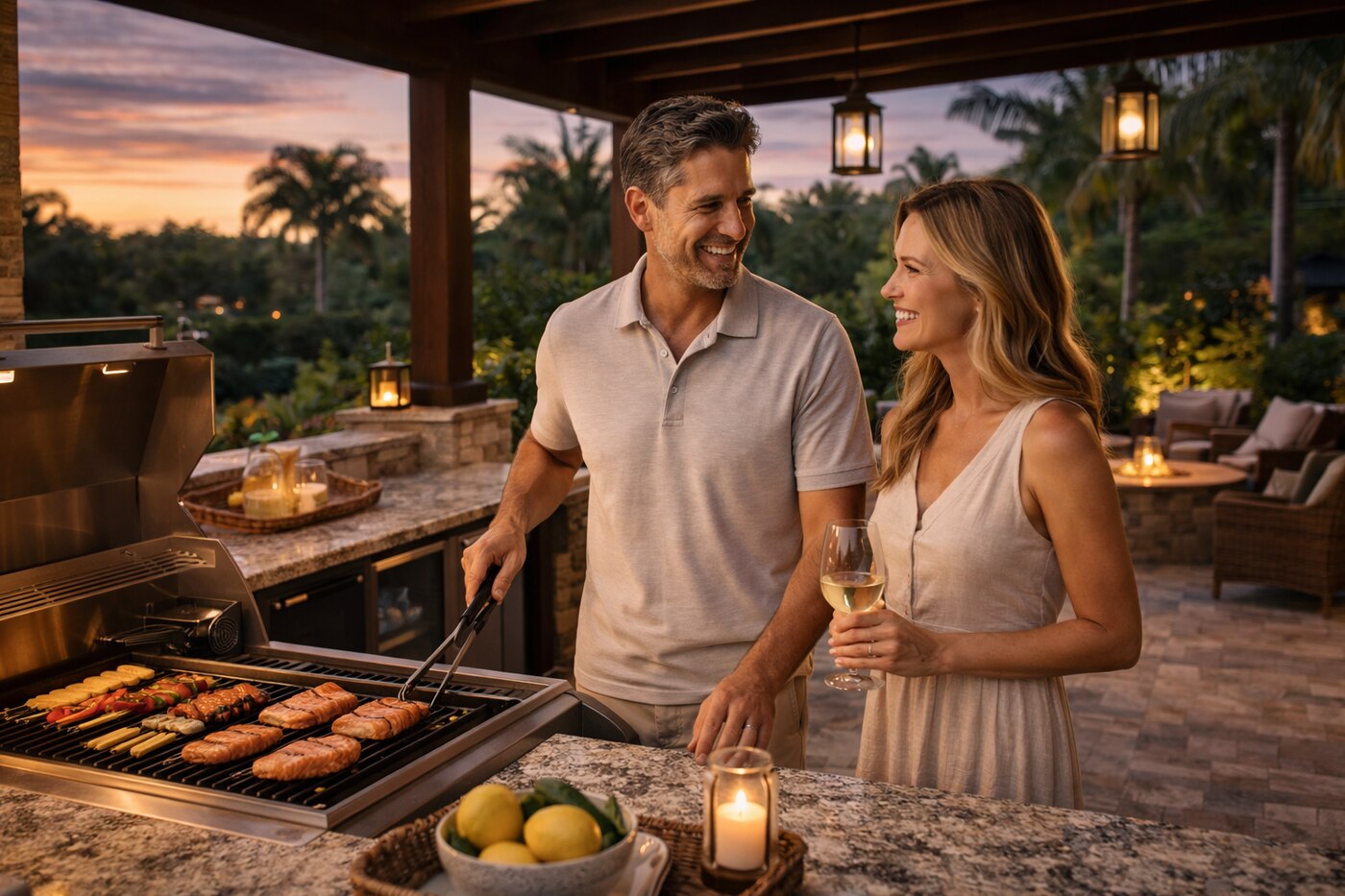
Planning an outdoor kitchen in Central Florida means choosing countertops that can handle intense sun, high humidity, salt air near coastal regions, and frequent temperature swings. The right countertop features protect your investment while maintaining function and appearance for years.
Durability Against Florida's Climate
Florida's outdoor environment demands countertops that resist moisture infiltration, UV fading, and thermal stress. Materials that perform well in other climates may warp, crack, or degrade quickly when exposed to relentless humidity and temperature fluctuations common in Central Florida. When evaluating options, consider how each material handles prolonged moisture exposure without deteriorating or supporting mold growth.
Proper construction and finish matter as much as material selection. Sealed surfaces, adequate slope for drainage, and quality installation all contribute to longevity. Unsealed or poorly maintained countertops can develop stains, discoloration, or structural damage within a single season of Florida weather.
Heat Resistance and Practical Use
Outdoor kitchen countertops must tolerate direct heat from grills, griddles, and other cooking equipment without warping or losing their surface finish. Materials vary significantly in their heat tolerance, and not all kitchen-grade counters perform equally when placed outside. Consider both direct heat from appliances and radiant heat reflecting from adjacent surfaces.
Beyond heat resistance, think about functionality during cooking. You'll want a work surface that's comfortable to stand at for extended periods, easy to clean during meal prep, and able to support the weight of kitchen equipment and platters without cracking.
Low-Maintenance Material Characteristics
The outdoor environment makes regular maintenance part of ownership. Choose materials that don't require constant upkeep or special treatments to remain safe and attractive. Some countertops need periodic resealing, while others resist stains and moisture naturally. Others demand pressure washing or chemical treatments to prevent algae, mildew, or mineral deposits.
Outdoor kitchens also expose your countertops to debris—pollen, leaves, salt spray, and sand—that accumulate quickly in Florida. Materials with tight finishes and simple shapes collect less debris and rinse clean more easily than textured surfaces with crevices.
Integration with Outdoor Kitchen Design
Your countertop choice affects the entire outdoor kitchen experience. It should complement your grill, storage, and seating areas while maintaining visual consistency with your home's style. Durable doesn't mean bland—many weather-resistant materials offer color and finish options that suit modern, traditional, or transitional designs common in Central Florida homes.
Height, overhang depth, and edge details influence usability too. Standard kitchen heights and proper seating clearance make your outdoor kitchen comfortable and safe for cooking and entertaining.
Professional Installation Matters
How your countertop is installed determines whether it resists Florida's weather effectively. Proper substrate preparation, drainage planning, fastening methods, and sealing application all require skilled execution. Shortcuts in installation can lead to moisture problems, movement, or failure regardless of material quality.
If you're updating an existing outdoor space or planning a new one, working with experienced professionals familiar with Central Florida conditions helps ensure your countertop choice delivers lasting performance.
For comprehensive guidance on outdoor kitchen planning and materials suited to Florida properties, explore our guide to materials for Florida outdoor spaces.
Material Selection for Florida Outdoor Kitchens
Several countertop materials perform well in Central Florida's demanding environment. Granite and engineered stone offer natural aesthetic appeal and excellent heat resistance, though they require periodic sealing to maintain water resistance. Porcelain tile provides versatility in design, resists UV fading better than many materials, and handles moisture well when properly installed with appropriate grout and substrate protection. Concrete countertops can be customized to match your design vision and tolerate outdoor conditions when sealed correctly, though they demand more frequent maintenance than some alternatives.
Each material carries different considerations for your specific outdoor kitchen layout. Before selecting a countertop, assess your cooking habits, how much time you'll spend in the space, and whether you prefer lower maintenance or are comfortable with regular upkeep routines. Testing samples in your actual outdoor lighting and comparing how different finishes appear throughout the day helps ensure your choice aligns with your expectations.
Planning Questions for Your Outdoor Kitchen Countertops
Before moving forward with a countertop installation, clarify a few key details with your contractor. Will water drain properly from your countertop surface toward designated drainage areas? Are your supporting structures—cabinets or base units—rated for outdoor exposure and adequately protected from moisture underneath? Does your chosen material complement adjacent finishes like your grill surround, flooring, or backsplash?
Consider also whether your outdoor kitchen receives full sun exposure all day, partial shade, or protection from covered structures. Direct afternoon sun intensifies UV exposure and heat reflection, which influences which materials will perform best and how quickly surfaces may fade or weather. Discussing these site-specific conditions with your contractor ensures the final installation accounts for your property's unique environment and daily usage patterns.
Weather-Specific Considerations for Central Florida Countertops
Central Florida's subtropical climate presents unique countertop challenges beyond standard outdoor durability. Summer afternoon thunderstorms bring rapid temperature changes that stress materials, while winter rarely offers a true freeze-thaw cycle. However, salt air in coastal areas and mineral-rich water from local wells can accelerate surface degradation on unsealed or porous materials.
Humidity levels in Central Florida often exceed 70 percent, creating conditions where moisture penetrates poorly sealed seams and substrate layers. This persistent dampness encourages algae and mildew growth on countertop surfaces and underneath, potentially compromising structural integrity over time. Materials selected for your outdoor kitchen should shed water quickly rather than absorb it, and any substrate or mounting system must allow air circulation to prevent trapped moisture.
Edge Details and Drainage Design
How your countertop edge meets the supporting structure significantly impacts its longevity in Florida conditions. Exposed edges without proper drip edges or overhangs allow water to wick into substrates and cabinets below. A slight slope—typically one-quarter inch per running foot—directs standing water away from seams and toward designated drainage points rather than pooling on the surface or running toward your home's foundation.
The overhang depth of your countertop also matters. A deeper overhang protects the cabinet face and base from splashing water and debris during heavy rains. Gaps between your countertop and supporting walls or appliances should be sealed appropriately to your chosen material to prevent water intrusion while allowing for minor expansion and contraction from temperature and humidity fluctuations.
Next Steps for Selecting Your Outdoor Kitchen Countertop
Start by examining your property's sun exposure patterns and existing drainage conditions. Note how water currently drains from your deck or patio area and whether your intended countertop location receives morning sun, afternoon heat, or consistent shade. Document the proximity to salt water or coastal environments if applicable. Request samples of your top material choices and observe them in your actual outdoor space over several days to evaluate how colors and finishes appear in your specific lighting and weather conditions.
When discussing your project with a contractor, confirm their experience with outdoor kitchen installations in Central Florida and their approach to substrate protection and drainage planning. Ask how they handle material expansion joints and what warranty or maintenance recommendations accompany their installation. These conversations ensure your countertop investment aligns with local climate realities and your long-term enjoyment of your outdoor kitchen space.
Sealing and Maintenance Schedules for Florida Outdoor Countertops
Different countertop materials require varying maintenance commitments over their lifespan. Natural stone surfaces like granite benefit from annual or biannual sealing to maintain water resistance, while engineered stone and porcelain tile typically need less frequent resealing depending on the specific product and finish. Concrete countertops demand more active maintenance, including periodic resealing every one to three years and routine cleaning to prevent staining from weathering and mineral deposits common in Central Florida's water.
Understanding your chosen material's maintenance schedule before installation helps you commit realistically to upkeep or adjust your selection toward lower-maintenance alternatives if time or budget constraints exist. Ask your contractor for a detailed maintenance plan specific to your material choice, including recommended cleaning methods, sealing frequency, and products to avoid that could damage your countertop finish or underlying structure.
Common Installation Mistakes That Reduce Countertop Lifespan
Many outdoor kitchen countertop failures trace back to installation oversights rather than material limitations. Insufficient substrate ventilation traps moisture underneath, leading to deterioration of support structures and premature surface damage. Inadequate slope for drainage allows water to pool on the surface or collect at seams, accelerating moisture infiltration. Missing or improperly installed drip edges permit water to run behind the countertop into cabinets and walls below.
Improper sealing application—applying sealant too thin, skipping edge protection, or using incompatible sealant types for your material—compromises water resistance immediately. Choosing a contractor unfamiliar with Florida's specific climate challenges often results in installations that fail to account for local humidity levels, mineral content in water, or salt air exposure near coastal properties. Verify your contractor's experience with outdoor installations in Central Florida before committing to your project.
Ready to stop living around a to-do list?
Get a free, no-pressure estimate and a real timeline — usually within 24 hours.