
Can You Install Luxury Vinyl Plank Over Tile?
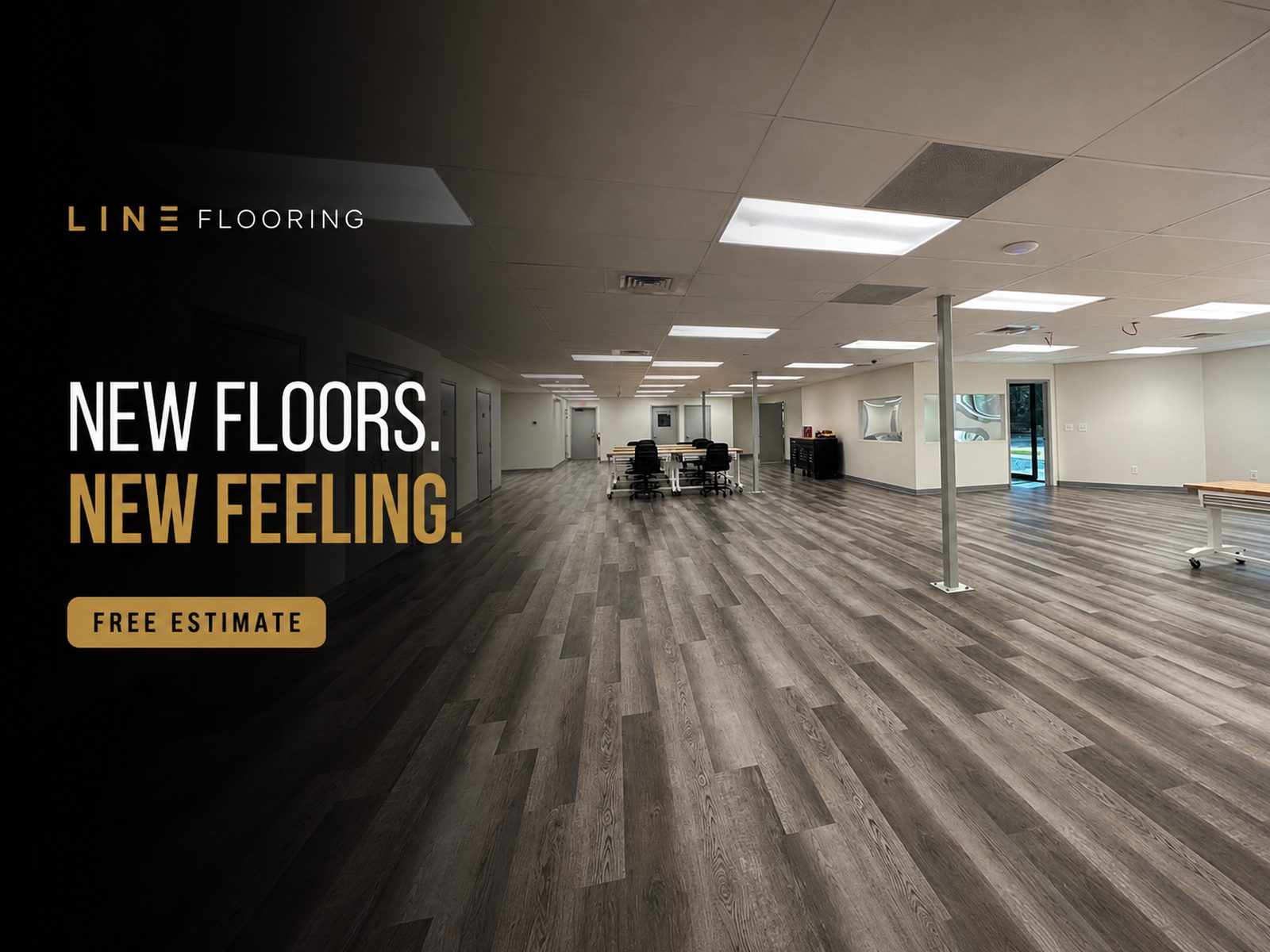
Many Central Florida homeowners wonder whether they can install luxury vinyl plank (LVP) over existing tile rather than removing it. The short answer is yes—but success depends on careful assessment and preparation of your current tile floor.
When Installation Over Tile Works
Luxury vinyl plank can be installed over tile if several conditions are met. The tile must be structurally sound, well-secured to the subfloor, and completely stable. If your tile doesn't move, flex, or rock when you walk on it, that's a good initial sign. The surface also needs to be as flat as possible, since LVP requires a stable base to perform well and last as long as it should.
This approach can save time and money compared to full tile removal and disposal. For many Orlando homeowners managing kitchen or bathroom updates, retaining the existing tile base makes sense when the tile is in good condition.
Critical Preparation Steps
Proper preparation is essential before you install luxury vinyl plank over tile. First, the tile surface must be thoroughly cleaned and completely dry. Any dirt, residue, or moisture can prevent the underlayment or adhesive from performing correctly.
Next, you'll need to address low spots and high spots. Grout lines, uneven tiles, or lippage (where one tile sits slightly higher than adjacent tiles) must be leveled. Professionals typically use a self-leveling compound or thin-set to fill grout lines and create a smooth, even surface. This step is not optional—walking on bumpy tile creates pressure points that eventually damage the vinyl plank.
Finally, ensure you're using appropriate underlayment rated for installation over tile. Not all underlayment works the same way, and using the wrong type can lead to moisture problems or floor failure, particularly in Central Florida's humid climate.
When Tile Removal Makes Sense
There are situations where removing the tile is the safer, smarter choice. If tile is cracked, loose, or actively moving, installing over it risks instability and eventual failure of your new flooring. Hollow spots beneath tiles—which you can often detect by tapping and listening—indicate that the tile isn't properly bonded. Moisture problems also warrant removal and inspection of the subfloor before you proceed.
A professional assessment of your current tile can determine whether your specific situation supports installation over existing flooring or whether removal is necessary for a durable result.
Climate Considerations for Central Florida
Florida's humidity and temperature fluctuations affect how flooring performs. Moisture trapped between tile and new flooring can cause problems over time. Proper underlayment selection and a thorough assessment of moisture conditions before you install luxury vinyl plank are essential in our climate.
Whether you're updating a kitchen, bathroom, or other space, professional flooring installation ensures your LVP is installed correctly over tile when conditions allow it. For more on choosing flooring suited to Florida living, see our guide on the best flooring for Central Florida kitchens.
If you're considering this approach for your home, a local flooring professional can evaluate your tile, advise whether installation over tile is feasible, and handle the preparation and installation work that ensures your new luxury vinyl plank performs well for years to come.
Questions to Ask Before You Decide
Before committing to installation over tile, homeowners should gather specific information about their current floor. Ask yourself: How old is the tile? Does it have a history of moisture issues, such as mold or mildew? Are there any soft spots in the grout or gaps between tiles and walls? Have you noticed any movement in the tiles, even slight shifting, over time?
Walk the entire tiled area carefully, paying attention to how solid it feels underfoot. Press down firmly in multiple spots. If any area feels spongy, hollow, or gives slightly, that indicates a bonding problem that needs professional evaluation before you proceed with LVP installation.
Common Planning Mistakes to Avoid
One frequent oversight is underestimating the importance of leveling. Homeowners sometimes assume minor surface irregularities won't matter, but even small high spots concentrate pressure and accelerate wear on luxury vinyl plank. The investment in proper leveling during preparation pays dividends in floor longevity.
Another mistake is selecting underlayment based on cost alone rather than suitability for your specific application. Some underlayments are designed for concrete subfloors, others for wood. Central Florida's humidity means moisture management matters significantly. Choose underlayment explicitly rated for tile applications in humid climates.
Finally, avoid rushing the cleaning stage. Residual tile sealer, dust, or old adhesive will compromise the bond between underlayment and tile. Thorough surface preparation takes time but prevents costly callbacks and floor failure.
Your Next Step
The best first action is a professional site evaluation. A flooring specialist can assess whether your tile is suitable for an LVP installation and outline the specific preparation work your floor requires. This conversation also clarifies timeline, material selections, and any unexpected subfloor conditions that might affect your project scope or budget.
Understanding Grout Line Challenges
Grout lines present one of the most underestimated obstacles when installing luxury vinyl plank over tile. Even grout lines that appear level to the eye can create subtle high points where the grout sits slightly proud of the tile surface. These transitions concentrate pressure directly on the vinyl plank above them, causing indentation or premature wear patterns that become visible within months.
The depth and width of grout lines also matter. Wide grout joints require more material to fill than narrow ones, and the compound must cure fully before installation begins. Self-leveling compounds work well for this purpose, but they require proper drying time according to manufacturer specifications—typically 24 to 48 hours depending on humidity levels. Central Florida's moisture can extend drying times, so plan accordingly.
Additionally, if your tile has any areas where grout has deteriorated, crumbled, or pulled away from the tile edges, those gaps must be addressed. Debris or voids under the leveling compound compromise the surface smoothness that underlayment and vinyl plank depend on.
Moisture Testing Before Installation
Florida's climate makes moisture assessment particularly important before you commit to installing LVP over existing tile. While tile itself is moisture-resistant, water can migrate beneath it over time through cracks, old grout failures, or improperly sealed edges. Trapped moisture between tile and new flooring creates conditions for mold, odor, and eventual deterioration of the vinyl plank.
Before preparation begins, a professional can test moisture levels in the subfloor using appropriate moisture meters. This step identifies whether water intrusion has occurred historically and whether the subfloor has dried completely. In areas with a history of water exposure—such as bathrooms, kitchens, or spaces near exterior doors—this evaluation becomes even more critical.
If moisture issues are detected, the tile may need removal so the subfloor can be inspected, treated, and allowed to dry before new flooring installation proceeds. This protects your investment and prevents problems that become apparent only after the floor is installed and sealed.
Acclimation and Environmental Factors
Before installation begins, luxury vinyl plank must acclimate to your home's temperature and humidity conditions. LVP is sensitive to environmental changes and can expand or contract if installed immediately after delivery, particularly in Florida's warm, humid climate. Flooring professionals typically allow material to sit in the space for 24 to 48 hours before installation, enabling the planks to reach equilibrium with indoor conditions.
This acclimation period is especially important when installing over tile, since any expansion or contraction after installation can stress the bond between the vinyl and underlayment. Skipping this step increases the risk of gaps developing between planks or buckling along seams within months of installation.
Underlayment Selection for Tile Applications
Not all underlayments perform equally when installed over tile. Closed-cell foam, cork, and attached-pad options each have different moisture management properties and installation characteristics. Some underlayments are designed specifically for tile substrates and account for grout line transitions, while others work best over wood or concrete.
In Central Florida's humid environment, underlayment that resists moisture wicking becomes particularly valuable. Ask your flooring professional which underlayment options are rated for tile installation and moisture resistance. The slight additional cost of appropriate underlayment is far less expensive than addressing floor failure or moisture-related damage after installation.
Knowing When Professional Assessment Is Essential
Some tile conditions require professional judgment rather than DIY evaluation. If you notice any soft, spongy spots beneath the tile, hear a hollow sound when tapping across large areas, or suspect previous water damage, a flooring specialist should inspect before you commit to any approach. They can identify subfloor problems, adhesive failures, or hidden moisture that visual inspection alone might miss. This professional input protects your investment and ensures the foundation beneath your new flooring is truly sound before installation proceeds.
Ready to stop living around a to-do list?
Get a free, no-pressure estimate and a real timeline — usually within 24 hours.