
How to Choose Flooring for a Screen Room in Central Florida
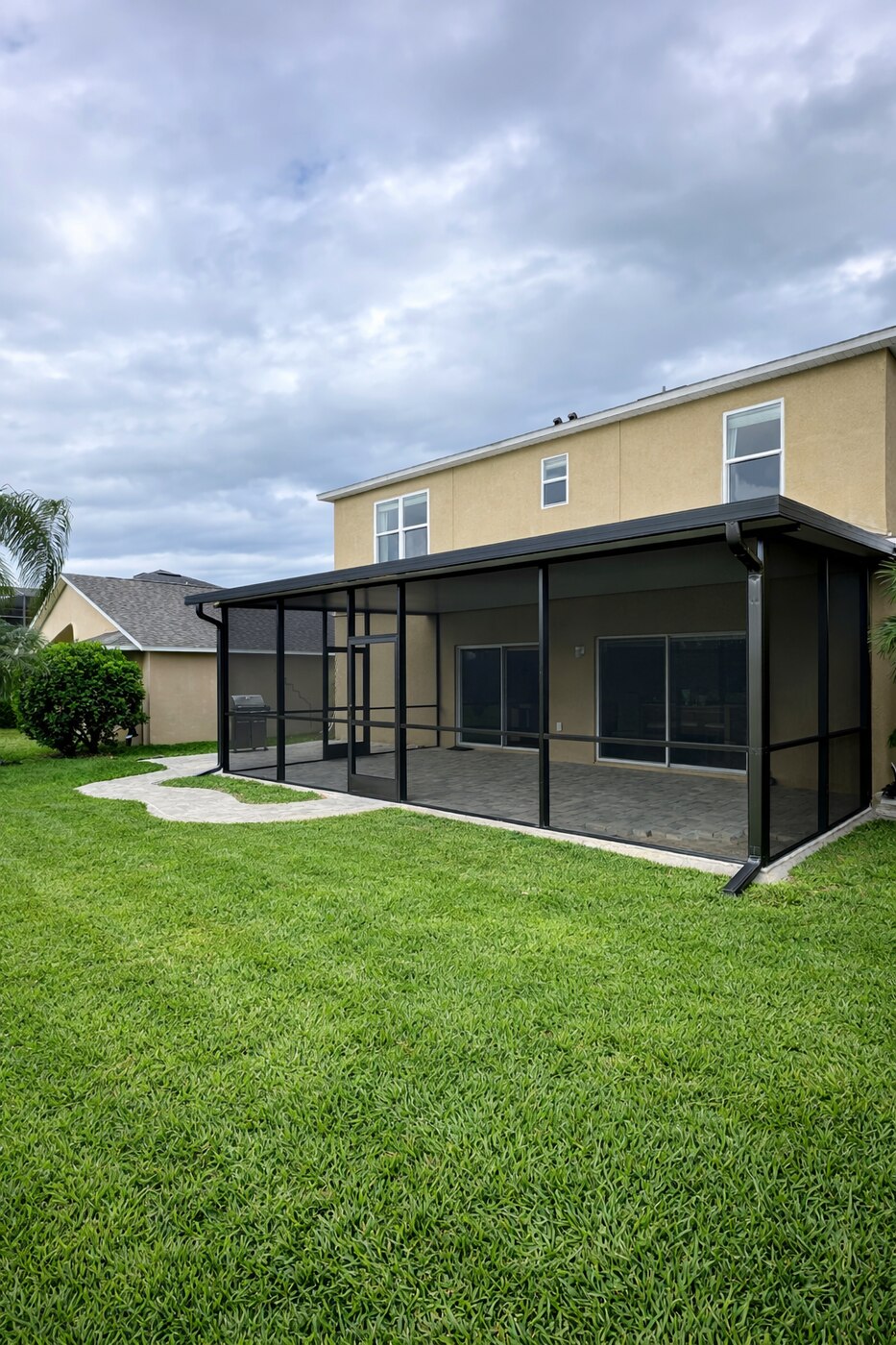
A screen room adds valuable living space to your Central Florida home, and selecting the right flooring is essential to its longevity and comfort. Unlike fully enclosed rooms, screen rooms experience temperature fluctuations, humidity exposure, and occasional moisture from rain, dust, and seasonal weather patterns. These conditions require flooring choices that differ from your indoor kitchen or bedroom options.
When planning your screen room flooring, consider how the space will be used, the climate challenges unique to Orlando and Central Florida, and the maintenance commitment you're willing to make.
Understand Your Screen Room's Environment
Screen rooms sit in a middle zone between fully protected interiors and outdoor patios. They receive natural light, airflow, and exposure to temperature swings. During humid Florida summers, moisture can accumulate even with excellent screening. Winter cold snaps and afternoon thunderstorms also affect the space differently than your main home.
These conditions favor flooring materials that resist moisture absorption, don't warp easily, and tolerate shifting humidity levels without expanding or contracting excessively.
Popular Flooring Materials for Screen Rooms
Tile: Ceramic, porcelain, and natural stone tile remain popular choices for screen rooms. Porcelain tile offers excellent moisture resistance and durability in Central Florida's climate. Proper grout selection matters—epoxy grout resists moisture and staining better than traditional sanded grout. Learn more about grout options for Florida tile floors to make an informed decision.
Vinyl and Luxury Vinyl Plank (LVP): These budget-friendly options resist moisture well and handle temperature changes better than solid wood. Modern luxury vinyl planks replicate wood appearance while offering practical performance for screen rooms.
Composite Materials: Engineered wood and composite decking materials designed for outdoor use can work in screen rooms, offering a warm aesthetic while resisting moisture and temperature fluctuations.
Sealed Concrete: A polished and sealed concrete floor provides a contemporary, low-maintenance option that performs well in transitional spaces like screen rooms.
Key Factors to Evaluate
Moisture Resistance: Prioritize materials that won't absorb water or swell when exposed to humidity. Avoid unsealed hardwood flooring, which warps in Florida's environment.
Durability: Screen rooms often see foot traffic, furniture, and occasional contact with outdoor debris. Select flooring with adequate scratch and stain resistance for your usage patterns.
Maintenance: Consider how much cleaning and upkeep you're willing to perform. Some materials require regular sealing or special care products, while others demand only routine sweeping and occasional mopping.
Aesthetics: Your flooring should coordinate with your home's interior design while maintaining its practical performance in a semi-outdoor setting.
Installation and Site Conditions Matter
Proper installation affects how well any flooring material performs in your screen room. Underlayment, substrate preparation, and ventilation all influence longevity. Moisture barriers and adequate slope for drainage may be necessary depending on your screen room's foundation and your chosen material.
Site conditions—including the age of your home, existing foundation issues, and local drainage patterns—influence which materials will perform best. A flooring professional can assess your specific screen room to recommend options suited to your home's characteristics and Central Florida's climate demands.
Budget and Timeline Considerations for Screen Room Flooring
The cost and timeline for installing screen room flooring depend on several variables, including the size of your space, the material you select, site preparation needs, and current material availability. Concrete removal or substrate repairs may extend your project timeline if your screen room's foundation requires work before new flooring can be installed.
Porcelain tile installation typically takes longer than vinyl plank due to curing time for thinset and grout, while luxury vinyl generally offers faster installation. Your flooring contractor can provide a timeline based on your specific choices and existing conditions.
Questions to Ask Before Making Your Selection
- Does your screen room receive direct afternoon sun, and will your flooring fade or discolor over time?
- What is the current condition of your foundation and subfloor, and will any prep work be needed?
- Do you have outdoor pets or children who will use the screen room frequently, affecting durability needs?
- Are you planning to heat or cool your screen room, and does your flooring choice support that goal?
- How often are you willing to reseal or maintain your flooring to preserve its appearance?
- Does your flooring need to transition smoothly to adjacent indoor or outdoor spaces?
Preparing for Your Screen Room Flooring Project
Before meeting with a flooring professional, walk through your screen room and note any moisture spots, drainage issues, or foundation cracks. Take photos of your home's existing flooring and interior design to help your contractor understand your aesthetic preferences. Measure your screen room's square footage and sketch the layout, including any transitions to other rooms or the patio.
Request that your contractor assess whether ventilation improvements might benefit your screen room's long-term moisture control. Understanding your space's specific conditions will help guide material recommendations and ensure your new flooring performs well in Central Florida's climate for years to come.
For additional guidance on flooring materials suited to Florida's environment, explore our resources on flooring for enclosed porches and lanais, which face similar climate challenges to screen rooms.
Screen Room Flooring and Home Value
Homeowners in Central Florida often wonder whether investing in quality screen room flooring affects their home's resale appeal. Screen rooms themselves are attractive features to potential buyers, particularly in Florida's climate where outdoor living is highly valued. Your flooring choice influences how well the space functions and appears to future purchasers.
Materials like porcelain tile and luxury vinyl plank tend to present well during home showings because they appear clean, well-maintained, and durable. Flooring that shows wear, staining, or water damage can raise concerns about moisture problems or poor maintenance. Selecting materials known to perform reliably in Florida's environment signals to buyers that your screen room was thoughtfully designed for long-term use.
Transitions and Threshold Planning
One detail many homeowners overlook during screen room flooring projects is how the new floor transitions to adjacent spaces. If your screen room connects to your kitchen, living room, or patio, height differences between flooring materials can create tripping hazards or visual discontinuities.
Thresholds, trim, and transition pieces help manage height changes and protect flooring edges. Your contractor should evaluate whether your chosen screen room flooring sits at the same height as surrounding floors or whether adjustments are needed. In some cases, substrate preparation or leveling work may be required to create smooth transitions. Discussing these details upfront prevents surprises and ensures a polished finished appearance throughout your home.
Post-Installation Care and Long-Term Performance
Even durable screen room flooring requires appropriate care to maintain its appearance and performance over time. The specific maintenance routine depends on your material choice. Tile floors benefit from regular sweeping to prevent dirt buildup in grout lines, while vinyl planks need only routine mopping with pH-neutral cleaners.
Sealed concrete floors may require periodic resealing depending on traffic and exposure. Composite materials designed for outdoor use typically resist staining but may need occasional cleaning with products suited to their finish. Ask your flooring professional for a maintenance guide specific to your installed material, including recommended cleaning products, frequency of care, and any treatments that will extend the floor's lifespan in your screen room's semi-outdoor environment.
Seasonal Considerations for Florida Screen Rooms
Central Florida's distinct seasons affect how screen room flooring performs throughout the year. Summer humidity levels can reach high percentages, increasing moisture exposure even in screened spaces. Winter months bring lower humidity and occasional cold snaps that may cause certain materials to contract. Spring and fall transitions create temperature fluctuations that test flooring stability.
Materials with low moisture absorption and minimal expansion-contraction behavior handle these seasonal shifts better than alternatives. When evaluating flooring options, ask your contractor how each material typically responds to Florida's humidity variations and temperature swings. This seasonal awareness helps you select flooring that maintains its appearance and structural integrity year-round without excessive maintenance or unexpected movement.
Common Screen Room Flooring Mistakes to Avoid
Homeowners sometimes overlook critical details when choosing screen room flooring. One frequent mistake is selecting materials without considering your screen room's actual moisture exposure—assuming that because it's screened, moisture won't be an issue. Another common error involves neglecting subfloor assessment before installation, leading to problems if the existing foundation has drainage or settling issues.
Inadequate substrate preparation, choosing flooring without understanding maintenance demands, and ignoring transitions to adjacent spaces can also compromise your project's success. Additionally, some homeowners underestimate how afternoon sun exposure affects certain flooring colors or finishes over time. Discussing these potential pitfalls with your flooring professional upfront helps you make informed decisions and avoid costly corrections later.
Working with a Flooring Professional for Your Screen Room Project
Selecting screen room flooring involves technical knowledge about material performance, climate adaptation, and installation best practices specific to Central Florida. A qualified flooring professional can assess your screen room's existing conditions, evaluate moisture and drainage patterns, and recommend materials suited to your climate zone and usage patterns.
Before scheduling a consultation, gather information about your screen room's current state, your preferred aesthetic, and your maintenance comfort level. Your contractor can then provide recommendations grounded in your home's specific characteristics and provide realistic timelines and considerations for your chosen installation.
Ready to stop living around a to-do list?
Get a free, no-pressure estimate and a real timeline — usually within 24 hours.