
Epoxy Flake vs Solid-Color Epoxy: Which Floor Coating Is Right for You?
Understanding the Two Epoxy Options
When planning an epoxy floor coating project, you'll encounter two primary aesthetic approaches: flake systems and solid-color systems. Both are epoxy-based and offer the durability and chemical resistance that make epoxy popular for garages, basements, and commercial spaces. The main difference lies in their visual finish and how they achieve it.
Solid-color epoxy creates a uniform, sleek appearance. The entire floor surface displays one consistent hue, much like a polished concrete or industrial look. This finish appeals to homeowners who prefer clean lines and a minimalist aesthetic, and it works well in contemporary or modern spaces.
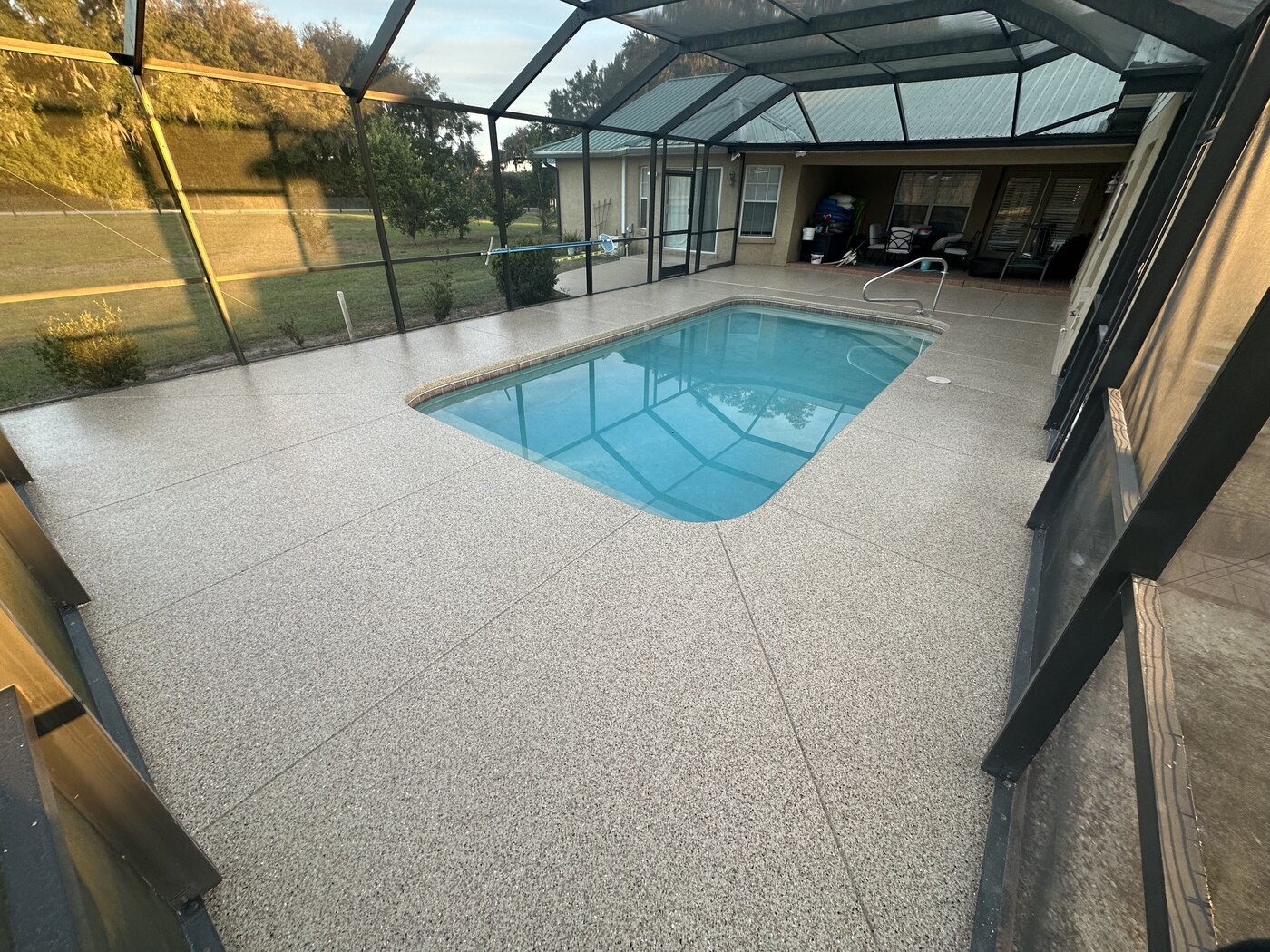
Epoxy flake flooring incorporates decorative vinyl or polymer flakes suspended in the epoxy base. These flakes add texture, visual interest, and subtle variation across the floor. The result is a speckled or granite-like appearance that can mask minor dust and wear patterns better than solid colors.
Aesthetic and Design Considerations
Your choice often comes down to your home's style and personal preference. Solid-color epoxy delivers a polished, professional look and works well if you want to emphasize a specific color or create a seamless, contemporary environment. Many Orlando and Central Florida homeowners choose solid colors for their clean, modern appeal.
Flake systems offer more visual complexity and can mimic natural stone or terrazzo finishes. If you prefer a floor that feels less plain or want added visual warmth, flake systems provide that variety. They're also available in numerous color combinations, allowing you to match almost any décor.
Durability and Maintenance Differences
Both solid-color and flake epoxy systems are highly durable when properly installed and cured. They resist stains, chemicals, and impacts in ways that standard concrete does not. The flakes themselves don't affect the structural integrity of the coating—they're a design element embedded in the same epoxy matrix.
Maintenance is comparable between the two. Both require regular sweeping and occasional mopping to stay clean. Solid-color floors may show dust more visibly, while flake floors tend to hide surface debris between cleanings. Neither finish is difficult to maintain, but your household habits and preference for frequent cleaning should factor into your decision.
Cost and Installation Process
Flake systems typically involve an additional material cost compared to solid-color epoxy because decorative flakes are added during application. However, pricing varies based on the quality and density of flakes you choose. Installation timeline and labor may differ slightly, but both types require proper surface preparation, which is critical for any epoxy project success.
Proper surface prep—cleaning, grinding, and any necessary repairs—matters equally for both finishes. The underlying concrete condition and preparation quality have more impact on long-term performance than whether you choose flakes or solid color.
Making Your Choice for Central Florida Homes
Consider your lifestyle, décor preferences, and maintenance habits. If you value simplicity and a polished look, solid-color epoxy is an excellent choice. If you want visual interest and a floor that hides everyday dust patterns, flake systems deliver that benefit.
Both options work well in Florida's climate. For kitchens and other interior spaces, you might also explore epoxy grout options for tile to coordinate your flooring design throughout your home.
Contact Line Flooring LLC to discuss which epoxy finish aligns with your vision and home's needs.
Moisture and Climate Considerations for Florida Installations
Central Florida's humidity and temperature fluctuations create specific conditions for epoxy flooring. Both solid-color and flake epoxy systems perform well when installed by professionals who account for moisture content in the concrete substrate. Excess moisture beneath the surface can compromise adhesion regardless of finish type, making pre-installation moisture testing essential in Florida homes.
Flake systems may offer a slight advantage in spaces prone to visible moisture condensation, such as basements or garages, because the textured appearance masks water droplets and humidity-related spotting more effectively than a uniform solid color would.
Questions to Ask Before Choosing Your Finish
- Will this floor be in a high-traffic area, and do you want to minimize the visibility of dust and footprints between cleanings?
- Does your home's existing color palette align better with a solid tone, or would decorative flakes complement your design?
- Are you planning coordinated flooring throughout your home, or is this an isolated project like a garage or mudroom?
- How important is the initial installation cost relative to long-term performance and appearance maintenance?
- Will the floor experience chemical exposure (cleaning products, oil, etc.), and if so, does either finish affect your cleaning routine?
Common Planning Mistakes to Avoid
Homeowners often assume solid-color epoxy is always cheaper, when actual cost depends on color selection, flake quality, and application method. Another frequent mistake is underestimating the importance of concrete preparation—choosing your finish without prioritizing substrate evaluation can lead to premature coating failure regardless of whether you select flakes or solid color.
Avoid making your decision based solely on samples viewed indoors; request to see installed examples in similar lighting conditions to your actual space. Lighting affects how both finishes appear, and what looks ideal under showroom lights may differ in your home's natural and artificial light environment.
If your project involves multiple rooms or includes related surfaces like tile flooring, discuss your epoxy finish choice with your flooring professional early to ensure visual cohesion. For more guidance on coordinating flooring selections throughout Central Florida homes, explore our resource on best flooring for Central Florida kitchens.
Evaluating Sample Finishes in Your Own Space
Before committing to either solid-color or flake epoxy, request product samples that you can view in your actual location during different times of day. Solid-color epoxy can appear dramatically different under morning natural light versus afternoon shadows or evening artificial lighting. Flake systems similarly shift in appearance based on light angle and intensity, which can affect how the decorative elements stand out.
Place samples on your concrete substrate for at least a few days if possible. This allows you to observe how the finish interacts with your space's unique lighting conditions and how it coordinates with existing cabinetry, walls, and furnishings. What appears neutral in a showroom may read warmer or cooler in your home's specific environment.
Coordination with Related Flooring Projects
If you're planning epoxy flooring alongside other flooring upgrades—such as tile in a kitchen, entryway, or bathroom—consider how your epoxy choice will transition visually. Solid-color epoxy works well as a foundation that doesn't compete with detailed tilework, while flake systems can echo the visual complexity of natural stone or patterned tile designs elsewhere in your home.
Discuss your complete flooring plan with your professional installer. They can recommend epoxy finishes that coordinate with your other selections and help you achieve visual continuity throughout connected spaces. This prevents jarring transitions between rooms and ensures your overall flooring design feels intentional rather than disconnected.
Long-Term Appearance Expectations
Both solid-color and flake epoxy maintain their appearance well over time when properly sealed and maintained. Solid-color finishes may eventually show fine scratches or wear patterns in high-traffic zones, though these typically remain subtle. Flake systems naturally conceal minor surface wear and dust between cleanings due to their textured appearance, which some homeowners find more forgiving as the floor ages.
Neither finish requires recoating under normal residential use, though your installer can advise on touch-up or refresh options if your preferences change years later. Understanding realistic aging patterns helps you choose a finish you'll remain satisfied with throughout the floor's functional lifespan.
Warranty and Coverage Differences
When comparing epoxy finishes, it's worth understanding what warranty protections each option typically includes. Both solid-color and flake epoxy systems, when properly installed, should come with similar coverage terms that protect against adhesion failure, peeling, and material defects. However, warranty specifics vary by installer and product quality, so clarifying coverage details before your project begins ensures you understand what's protected and for how long.
Ask your flooring professional to detail warranty conditions for your chosen finish. Some warranties may include provisions for touch-ups or repairs, while others focus on complete system failure. Understanding these terms helps you evaluate the true long-term value of your investment and know what recourse exists if issues arise after installation.
Substrate Condition and Finish Suitability
Your existing concrete's condition influences whether one finish may perform better than the other. Concrete with minor surface irregularities, slight color variation, or subtle staining may actually benefit from a flake system, which naturally conceals these imperfections better than a uniform solid color would. Conversely, if your concrete is exceptionally smooth and uniform, solid-color epoxy showcases that quality effectively.
During your initial consultation, have your flooring professional assess your concrete's current state. They can identify whether surface repairs or additional preparation steps are necessary and whether your substrate condition suggests advantages to either finish type. This evaluation prevents surprises during installation and helps set realistic expectations for the final appearance.
Seasonal Installation Timing in Central Florida
Florida's humidity levels fluctuate seasonally, which affects epoxy curing conditions. Both finishes require proper environmental conditions during application and cure time, typically involving temperature and humidity ranges that professionals monitor carefully. While this doesn't change your finish choice, understanding that installation timing may influence scheduling and cure duration helps you plan your project appropriately.
Discuss with your installer whether seasonal conditions in Central Florida affect their recommended timeline for your specific project. Proper curing directly impacts durability for both solid-color and flake systems, so professional guidance on optimal installation windows ensures your floor performs as intended regardless of which aesthetic you select.
Ready to stop living around a to-do list?
Get a free, no-pressure estimate and a real timeline — usually within 24 hours.