
Artificial Grass vs Natural Lawn for Central Florida Homes
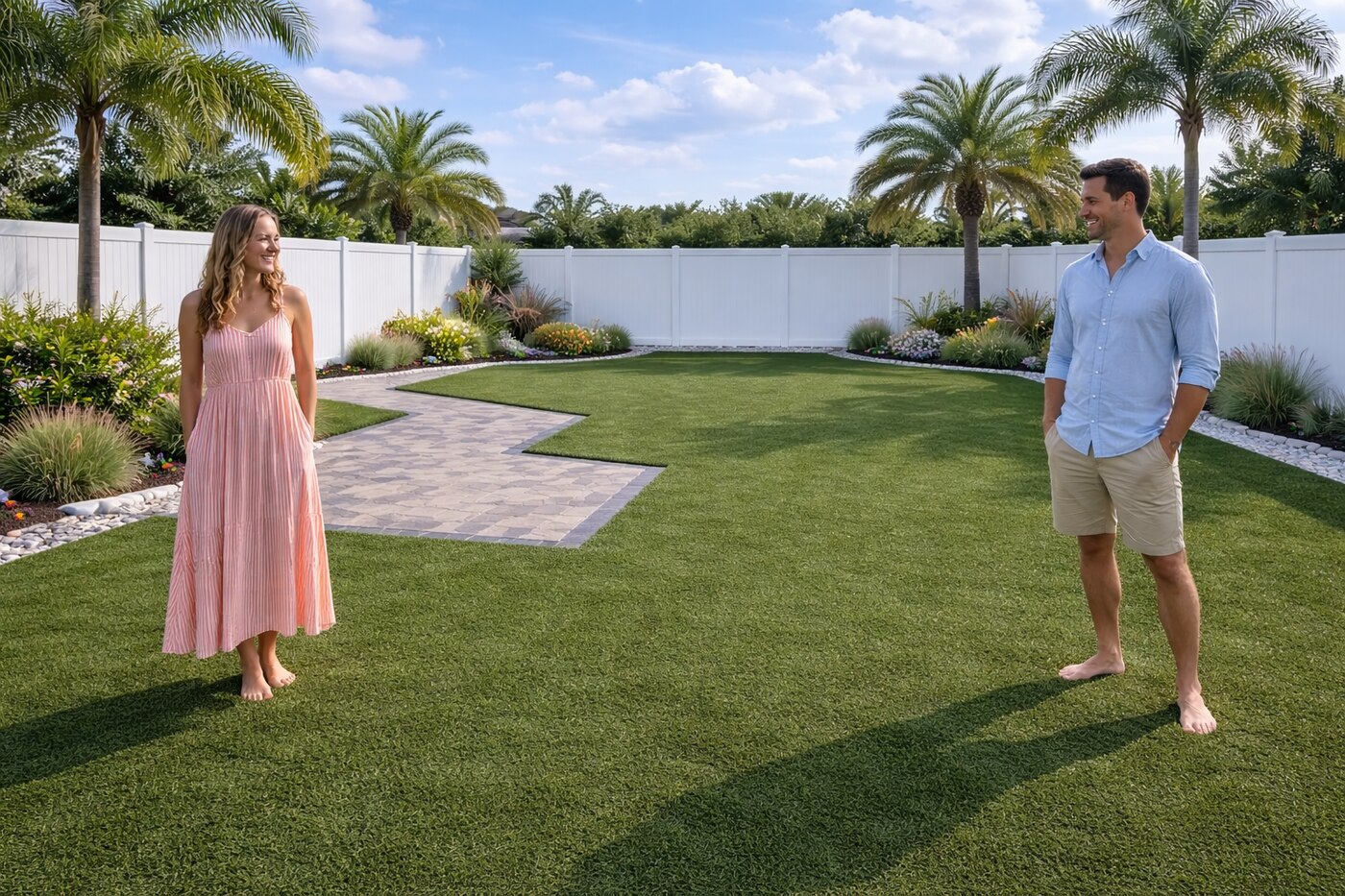
Understanding Your Lawn Options in Central Florida
Central Florida's warm, humid climate presents unique challenges for lawn care. Homeowners often face questions about whether to maintain a traditional natural lawn or invest in artificial grass. Both options have genuine advantages and trade-offs worth understanding before making a decision for your property.
Natural Lawn Considerations
A natural lawn remains the traditional choice for many Central Florida homes. Native and adapted grasses like St. Augustine and Zoysia are well-suited to the region's climate and can thrive with appropriate care. Natural grass provides a genuine landscape aesthetic and supports local soil ecosystems.
However, maintaining a healthy natural lawn in Central Florida requires consistent attention. The region's frequent summer rainfall combined with heat and humidity creates conditions favorable to fungal diseases and pest pressure. Regular watering during dry periods, mowing, fertilization, and disease management are ongoing responsibilities. Additionally, Florida's sandy soil often requires soil amendments and careful nutrient management to support healthy grass growth.
Artificial Grass Benefits and Practical Realities
Artificial grass eliminates many routine maintenance tasks. There is no mowing, no seasonal fertilization, and no watering required. For homeowners with busy schedules or mobility concerns, this reduction in physical upkeep can be valuable. Modern artificial grass products are designed to withstand Florida's sun and weather conditions.
It's important to understand that artificial grass involves installation costs and site preparation. The product itself represents a material investment, and professional installation ensures proper drainage and longevity. While it requires far less ongoing maintenance than natural lawn, it is not maintenance-free—occasional brushing and rinsing may be needed depending on use and product type.
Climate and Drainage Factors
Central Florida's drainage characteristics matter for both options. Natural grass benefits from Florida's well-draining sandy soils in many areas, though some properties have poor drainage or compacted soil. Artificial grass installation must account for proper subsurface drainage to prevent water pooling, which is especially important given the region's heavy summer rainfall patterns.
Making Your Decision
Your choice depends on your preferences, property conditions, and maintenance capacity. Natural lawn appeals to homeowners who value authentic landscaping and are willing to manage ongoing care. Artificial grass suits those seeking reduced maintenance without sacrificing year-round appearance.
For guidance on lawn materials and installation specific to your Central Florida property, consult with a flooring and outdoor services professional who understands local conditions. If you're also considering other home surfaces like patios, porches, or lanai flooring, integrated planning can enhance your overall outdoor space—see our guide on best flooring for Florida lanai and enclosed porch projects for additional ideas on creating cohesive outdoor living areas.
Cost and Long-Term Investment Considerations
Both artificial grass and natural lawn represent different financial commitments over time. Natural lawn maintenance involves recurring expenses for mowing services or equipment, fertilizers, pest control treatments, and irrigation during dry seasons. These costs accumulate throughout the year and vary based on lawn size and service frequency.
Artificial grass requires upfront installation investment and site preparation but eliminates most recurring maintenance expenses. When evaluating the choice for your Central Florida home, consider your household budget for ongoing yard care versus a one-time installation commitment. The payoff timeline depends on your property size, current maintenance spending, and how long you plan to remain in your home.
Installation and Site Preparation Requirements
Professional installation is essential for artificial grass performance in Central Florida's climate. Proper site preparation includes removing existing vegetation, addressing soil compaction, and establishing adequate subsurface drainage systems. This preparation work varies by property condition and existing lawn quality, so each installation is unique to your specific lot.
Before selecting artificial grass, have a professional assess your yard's slope, drainage patterns, and soil conditions. Poor drainage planning leads to water pooling and product failure, particularly important in areas prone to standing water after Florida's heavy rainfall. Similarly, natural lawn success depends on understanding your soil composition and whether amendments are needed for root development and nutrient retention in sandy Florida soils.
Questions to Ask Before Deciding
Consider these practical questions as you weigh your options:
- How much time are you willing to dedicate to weekly mowing and seasonal lawn care?
- Do you prefer the tactile and aesthetic qualities of natural grass?
- Is your property's drainage suitable for your chosen option, or will improvements be necessary?
- What is your timeline—do you need quick results or can you establish natural grass over time?
- Are there neighborhood guidelines or HOA requirements affecting lawn type or appearance?
Discussing these factors with a local landscaping or flooring professional who understands Central Florida's specific conditions will help clarify which option aligns with your household needs and property circumstances.
Aesthetic and Property Value Considerations
Your lawn choice influences how your Central Florida home presents to visitors and potential buyers. Natural grass offers a traditional, organic appearance that many homeowners and buyers prefer, particularly when properly maintained with healthy color and density. However, natural grass appearance fluctuates seasonally and depends on consistent care—brown or thin patches become visible quickly without proper management.
Modern artificial grass has improved significantly in texture and color realism, though some homeowners still prefer the authentic look and feel of natural turf. If property resale is a consideration, understand that buyer preferences for lawn type vary. Some buyers view artificial grass as a maintenance-free plus; others prefer natural grass for perceived authenticity and environmental reasons. Research your local Central Florida market and neighborhood norms before deciding solely on aesthetic appeal.
Pet and Family Use Patterns
How your household uses outdoor space matters for both options. Natural grass tolerates regular foot traffic and play but may develop bare spots in high-traffic areas, particularly in Central Florida's compacted soils. Pets using natural lawn can create wear patterns that require regular overseeding and repair.
Artificial grass withstands heavy use and pet activity without wear, though pet waste requires prompt removal and occasional rinsing to prevent odor issues. Consider your family's activity level, whether you have pets, and whether your existing natural lawn shows stress from current use. If your property already displays worn patches or struggling turf, artificial grass may prevent ongoing degradation. Conversely, if your lawn currently maintains good health under moderate use, natural grass may continue meeting your needs with consistent care.
Environmental and Personal Preference Factors
Some Central Florida homeowners prioritize environmental considerations. Natural grass supports soil organisms and local ecology but requires water, fertilizer, and chemical treatments that affect groundwater and local ecosystems. Artificial grass eliminates these inputs but represents a synthetic material that eventually requires removal and disposal.
Your personal values regarding landscape authenticity, environmental impact, and chemical use should inform your decision. Neither choice is universally superior—each involves different trade-offs. Clarifying which factors matter most to your household helps guide whether artificial grass or natural lawn aligns better with your priorities for your Central Florida property.
Maintenance Timeline and Seasonal Considerations
Central Florida's seasonal patterns affect both lawn types differently. Natural grass requires year-round attention, with spring and fall representing peak maintenance periods for overseeding and disease prevention. Summer's heat and humidity demand consistent irrigation and monitoring for fungal issues, while winter provides relief from growth but may require occasional care depending on grass type and weather patterns.
Artificial grass eliminates seasonal maintenance cycles, though Central Florida's intense summer sun exposure means periodic inspection for any wear or color fading over years of use. Heavy rainfall can require occasional drainage verification to ensure water moves properly through the installation. Understanding these different maintenance rhythms helps you plan your household schedule and budget accordingly throughout the year.
Transition Planning and Installation Timeline
If you decide to switch from natural lawn to artificial grass, planning the transition matters. Installation typically requires removing existing turf, assessing and preparing the base layer, and installing the artificial product. This process disrupts your outdoor space temporarily, so timing the work around your household needs and weather patterns makes sense.
Conversely, establishing a new natural lawn from seed or sod also requires planning and time for establishment before the lawn reaches full density and usability. Neither option provides instant results without trade-offs—artificial grass installation can be completed relatively quickly once site work begins, while natural grass establishment takes weeks to months depending on planting method and weather cooperation. Plan your decision timeline to align with your household's ability to manage the transition and any temporary disruption to yard use.
Getting Professional Assessment for Your Property
Your specific property conditions warrant professional evaluation before committing to either option. A local flooring and outdoor services professional can assess your soil drainage, existing lawn health, sun exposure patterns, and site-specific factors that influence which choice performs best on your Central Florida property. This assessment clarifies installation requirements, potential complications, and realistic expectations for maintenance or longevity under your household's specific use patterns and local conditions.
Ready to stop living around a to-do list?
Get a free, no-pressure estimate and a real timeline — usually within 24 hours.