
Artificial Grass for Florida Backyards: What to Consider
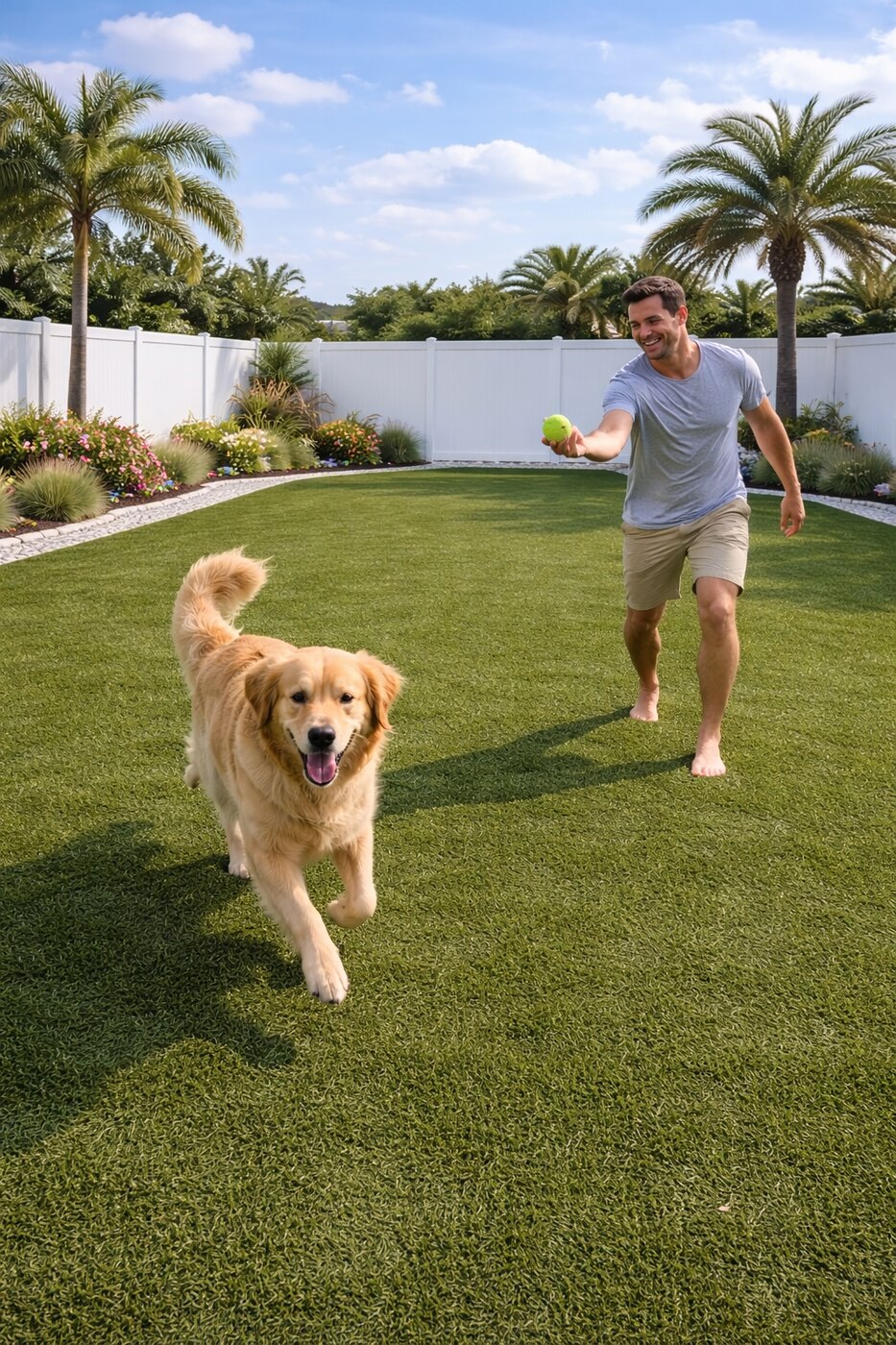
Artificial grass has become a popular choice for Central Florida homeowners looking to maintain a lush green lawn year-round without the demands of traditional grass care. Whether you're in Orlando or surrounding areas, understanding the key factors before installation can help you make the right choice for your property.
Why Central Florida Homeowners Choose Artificial Grass
Florida's heat, humidity, and periodic drought conditions make maintaining natural grass challenging and water-intensive. Artificial grass eliminates watering needs and reduces the constant mowing and fertilizing that traditional lawns demand. For homeowners with busy schedules or those concerned about water usage, artificial turf offers a practical alternative that stays green and attractive throughout the year.
Durability in Florida's Climate
When evaluating artificial grass options, durability in extreme heat and UV exposure is essential. Florida's intense sun can fade lower-quality materials and break down backing materials over time. Look for products specifically rated for high-UV environments and designed to withstand temperature fluctuations common in Central Florida. The base and drainage system also matter significantly—proper installation ensures water doesn't pool after heavy tropical storms.
Drainage and Water Management
Heavy rainfall is part of Florida living, and your artificial grass system must handle it effectively. Poor drainage can lead to water pooling, odor issues, and damage to the underlying foundation. A properly installed system includes adequate base preparation and perforated backing that allows water to drain quickly. This is particularly important for backyards in lower-lying areas of Orlando and Central Florida where standing water can be problematic.
Maintenance Requirements
While artificial grass significantly reduces lawn care compared to natural grass, it still requires some attention. Occasional brushing helps maintain blade appearance and prevents matting. Depending on foot traffic and yard use, you may need to remove debris and rinse the surface periodically. Understanding these minimal maintenance tasks helps set realistic expectations before installation.
Installation and Site Preparation
Proper installation is critical to artificial grass performance. The ground must be leveled, compacted, and prepared with an appropriate base material for drainage. Any existing grass, soil, and vegetation need removal. Professional installation ensures the turf is stretched correctly, seams are secure, and the foundation supports years of use. Poor installation undermines even the highest-quality materials.
Planning Your Backyard Project
Before selecting artificial grass, evaluate your backyard's layout, sun exposure, and primary uses. Consider how the material will integrate with existing features like patios, landscaping, and artificial grass installation areas. Assess whether your property has shade coverage, as this affects both how the turf appears and how quickly it drains after rainfall.
For more information about flooring and outdoor surface options in Central Florida, see our guide on flooring choices for Florida lanais and enclosed porches, which addresses similar climate considerations for home surfaces.
Choosing artificial grass for your Florida backyard is a decision that balances long-term maintenance savings against upfront installation costs and durability expectations. Taking time to understand these core considerations helps ensure your investment performs well in Central Florida's demanding climate.
Cost and Budget Considerations for Florida Installation
Artificial grass installation costs vary based on yard size, existing site conditions, material quality, and regional labor factors. Central Florida homeowners should budget for site preparation, base materials, the turf itself, and professional installation labor. Comparing quotes from multiple installers helps you understand the scope of work included and what ancillary costs may apply, such as removal of existing vegetation or grading adjustments for proper drainage in your specific backyard.
Key Questions to Ask Before Moving Forward
When evaluating artificial grass for your Florida backyard, clarify these important points with potential installers: What UV warranty does the material carry, and what does it cover? How is the base prepared in your yard's specific soil conditions? What is the expected lifespan under Central Florida's climate? How will seams be positioned to minimize visibility? What maintenance schedule do they recommend for your area's rainfall and foot traffic patterns? Understanding these answers ensures the installation meets your expectations and local conditions.
Common Planning Mistakes to Avoid
Many homeowners overlook site drainage when planning artificial grass installation. If your backyard slopes toward the foundation or has low spots that collect water, these issues must be addressed during base preparation—not discovered after installation. Another frequent oversight is underestimating the importance of proper base compaction; insufficient foundation work leads to settling and uneven surfaces over time. Additionally, failing to plan for future landscaping access can complicate maintenance if trees or shrubs are added later. Finally, selecting budget materials without UV ratings appropriate for Florida's intense sun often results in premature fading and deterioration.
Taking the Next Step
Once you've considered the climate factors, maintenance commitment, and site-specific conditions of your Orlando or Central Florida property, the next step is consulting with a qualified installer who understands local installation requirements. They can assess your yard's drainage patterns, sun exposure, and existing ground conditions to recommend suitable materials and prepare an accurate scope of work. This professional evaluation ensures your artificial grass investment performs reliably throughout Florida's challenging weather cycles.
Artificial Grass and Florida's Pest and Wildlife Considerations
Florida's warm climate supports various insects and wildlife that may interact with your backyard surfaces. Quality artificial grass with proper installation can help reduce standing water where mosquitoes breed, particularly when drainage systems function effectively after rainfall. The turf itself does not attract pests differently than natural grass, but adequate base preparation and perimeter management prevent small animals from burrowing underneath. Discuss pest-related concerns with your installer, especially if your property has a history of drainage issues or wildlife activity that could compromise the installation over time.
Aesthetic Choices: Blade Style and Color Options
Artificial grass products vary in blade shape, texture, and color tone. Some homeowners prefer a dense, fine-blade appearance that mimics premium natural turf, while others select coarser textures for durability in high-traffic areas. Blade height and density affect both aesthetics and how the material performs underfoot. Color options range from darker forest greens to lighter, more naturalistic tones. Viewing samples in full sunlight rather than showroom lighting helps you understand how the material will appear in your specific yard throughout different times of day. Your installer can typically show examples installed in nearby Central Florida properties, allowing realistic comparison under local conditions.
Pets and Family Use Compatibility
Artificial grass works well in backyards with pets and children when installed and maintained properly. The surface drains urine effectively if the base and backing system function correctly, preventing odor buildup. Rinsing the area periodically maintains hygiene standards. However, some pets may take time adapting to the feel underfoot compared to natural grass. The turf surface remains cooler and more comfortable in intense Florida heat than hard surfaces like concrete, making it suitable for active family use. Discuss your household's specific needs and pet types with installers to ensure the selected material and installation approach align with your usage patterns.
Comparing Artificial Grass to Other Florida Backyard Surface Options
Homeowners evaluating their backyard surface choices should understand how artificial grass compares to alternative options common in Central Florida. Natural sod requires consistent watering, fertilizing, and mowing to survive in Florida's heat and humidity. Hardscape surfaces like pavers or concrete provide durability but absorb and radiate intense heat, making them uncomfortable underfoot during summer months. Mulch and native plantings offer environmental benefits but require ongoing maintenance and may not create the uniform appearance many homeowners prefer. Artificial grass occupies a middle ground—it maintains a finished, manicured appearance with significantly lower maintenance than natural grass while offering a softer, cooler surface than hardscape alternatives.
Understanding Material Quality and Longevity Expectations
Artificial grass products vary considerably in quality, backing materials, and expected lifespan. Premium materials with reinforced backing and advanced UV protection typically outlast budget alternatives by several years when exposed to Florida's demanding climate. The pile height, density, and face-weight of the turf affect both durability and appearance over time. When evaluating products, ask installers about the specific manufacturer's ratings for UV resistance and temperature tolerance. Understanding what "premium," "mid-range," and "economy" grades mean for your climate helps you balance initial investment against replacement frequency and long-term performance expectations in Central Florida's intense sun and moisture.
Local Installation Expertise and Climate-Specific Considerations
Artificial grass installation in Central Florida requires knowledge of local soil conditions, drainage patterns, and climate challenges that differ from other regions. Installers familiar with Orlando and surrounding areas understand how seasonal rainfall affects yard grading, how the local water table influences base preparation requirements, and which material specifications perform best under sustained heat and humidity. When selecting an installer, prioritize those with demonstrated experience in your specific area rather than assuming installation methods used elsewhere automatically transfer to Florida conditions. Local expertise ensures your base preparation, drainage design, and material selection align with what actually performs in your backyard's particular environment.
Ready to stop living around a to-do list?
Get a free, no-pressure estimate and a real timeline — usually within 24 hours.