
How Drainage Works Under Artificial Grass
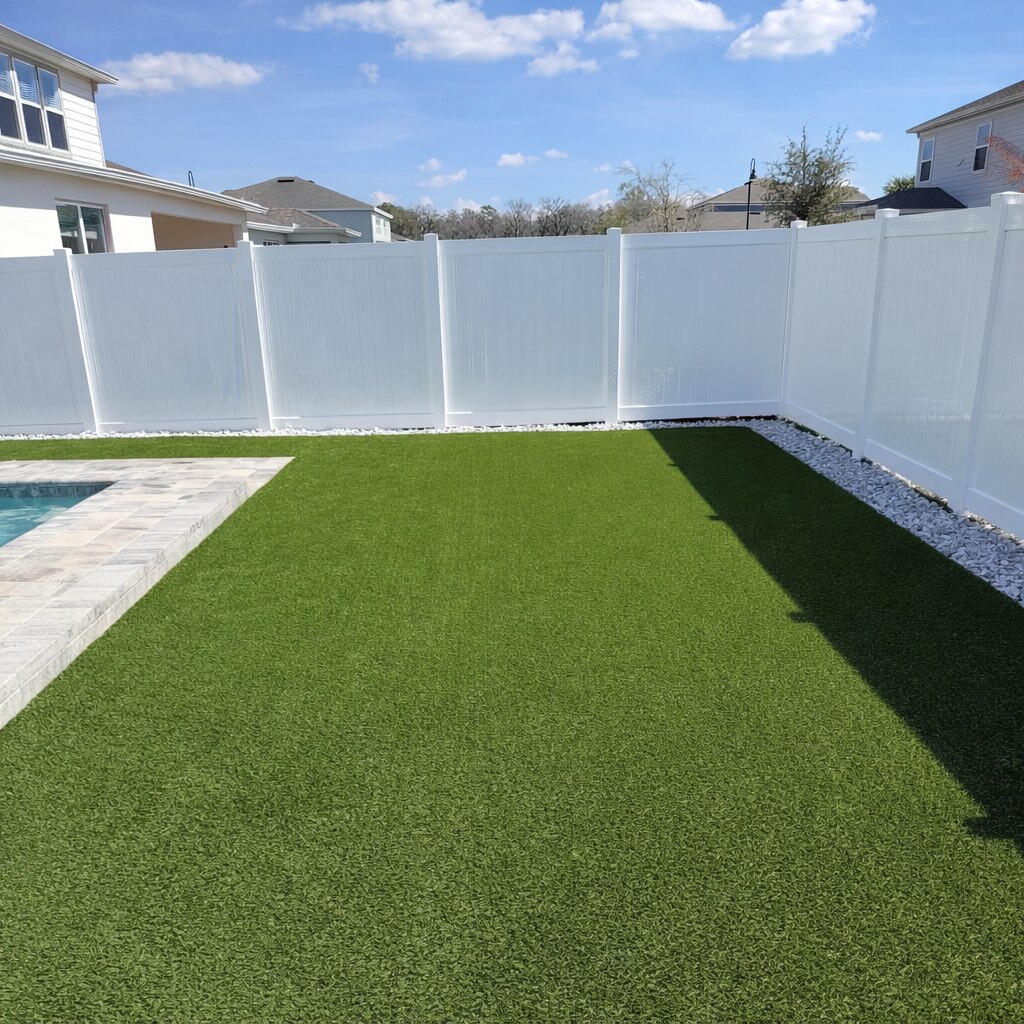
Artificial grass has become a popular choice for Orlando and Central Florida homeowners looking for a low-maintenance lawn alternative. However, proper drainage is essential for the longevity and performance of any artificial grass installation. Understanding how water moves through and beneath artificial grass helps you make informed decisions about your landscape.
Why Drainage Matters for Artificial Grass
Florida's climate brings frequent rainfall and high humidity. Without effective drainage, water pools beneath artificial grass, creating conditions that promote mold, mildew, and unpleasant odors. Poor drainage can also cause the base materials to shift or settle unevenly, leading to wrinkles, bumps, or areas where the turf no longer lies flat. Proper drainage ensures water flows away quickly, maintaining the integrity of your installation and protecting the materials underneath.
Understanding the Drainage Layers
Professional artificial grass installations typically include multiple layers designed to manage water effectively. The artificial turf itself is porous and allows water to pass through the blade backing. Beneath the turf lies a base layer, commonly sand or crushed stone, that provides both stability and drainage pathways. Below that, depending on your specific installation, there may be a permeable underlay or geotextile membrane that prevents soil from clogging the drainage system while allowing water to continue moving downward.
The foundation of your installation—whether compacted soil, gravel, or a prepared subbase—plays a critical role in directing water away from the turf area. Proper grading ensures that water naturally flows toward drainage outlets rather than pooling in low spots.
Surface Water Management
Even with excellent sub-surface drainage, surface water management matters. Artificial grass should be installed on a slight slope to encourage water to flow across the turf toward adjacent landscaping or drainage systems. During heavy rains, water that lands on the surface should sheet off rather than accumulate. If your landscape has flat or low-lying areas, addressing grading during installation prevents future drainage problems.
Maintenance and Long-Term Drainage
Over time, debris, leaves, and soil particles can gradually reduce drainage efficiency. Regular rinsing of your artificial grass helps keep pores clear and maintains proper water flow. If you notice standing water after rain, it may indicate that the drainage system needs attention or that the base has settled unevenly.
For Central Florida homeowners considering artificial grass or addressing drainage concerns with existing installations, working with an experienced flooring and landscaping professional ensures proper base preparation and long-term performance. For related guidance on outdoor materials suited to Florida conditions, see best flooring for Florida lanais and enclosed porches.
Drainage Considerations During Installation Planning
Before committing to an artificial grass installation, assess your property's existing drainage patterns. Observe where water naturally flows during rain and identify any low spots or areas prone to pooling. Understanding your landscape's slope and soil composition helps your installer design appropriate drainage solutions tailored to your specific site conditions.
Key planning questions include whether your property slopes adequately to shed water, whether nearby landscaping or structures might redirect water toward the turf area, and whether soil compaction or clay content could impede water movement. Properties with heavy clay soils or minimal grading may require additional preparation, such as installing drainage channels or upgrading the base materials, to achieve optimal water flow.
Common Drainage Mistakes to Avoid
One frequent oversight is installing artificial grass on completely flat terrain without any grading adjustments. Even a subtle slope—typically one-eighth inch per linear foot—significantly improves surface water drainage. Another mistake is selecting inadequate base materials. Sand alone may compact over time and restrict water movement, whereas a layered approach combining sand with crushed stone or gravel promotes better drainage performance.
Homeowners sometimes underestimate the importance of perimeter edge work. Water flowing from adjacent hardscaping, roof gutters, or neighboring properties can overwhelm a drainage system not designed to handle external water sources. Discussing these boundary conditions with your installer ensures the system accounts for water from surrounding areas.
When to Consult a Professional
If your property has chronic drainage problems—persistent wet spots, standing water after rain, or soil that remains saturated for days—professional assessment is worthwhile before installation. An experienced installer can recommend solutions such as French drains, permeable pathways, or modified grading that complement your artificial grass system. For Central Florida homeowners with questions about whether artificial grass is suitable for your landscape conditions, connecting with a qualified service provider helps ensure your investment performs reliably for years to come.
Drainage Solutions for Different Property Types
Artificial grass drainage requirements vary depending on your property's characteristics. Corner lots and properties adjacent to streets may experience runoff from municipal drainage systems or neighboring landscapes, requiring more robust perimeter management. Properties with mature trees benefit from drainage systems that handle leaf debris without clogging. Sloped hillside properties need careful grading to prevent erosion and water concentration, while low-lying areas may require supplemental drainage infrastructure such as French drains or subsurface channels.
Understanding your property's unique drainage context—including soil type, elevation changes, surrounding hardscaping, and water sources beyond your lot—helps ensure your artificial grass installation remains dry and functional long-term. During your consultation with an installer, describe any existing water issues you've observed, including where puddles form after rain and how quickly water typically drains from your landscape.
Troubleshooting Standing Water After Installation
If standing water appears after your artificial grass is installed, the cause often relates to base compaction, settlement, or inadequate initial grading. Early detection allows corrections before drainage problems compound. Documenting the location and frequency of standing water helps your installer identify whether the issue stems from the turf area itself, adjacent surfaces directing water inward, or subsurface drainage blockage.
Minor adjustments—such as adding sand to low spots or clearing debris from drainage edges—may resolve isolated wet areas. More significant settlement or drainage design issues may require professional re-evaluation. Addressing these concerns promptly prevents mold development, odor buildup, and further base material deterioration that becomes costlier to repair later.
Planning Your Artificial Grass Investment
Drainage quality directly impacts the lifespan and appearance of artificial grass. As you evaluate contractors and design options, prioritize discussions about how base materials, grading, and perimeter details will manage your specific site conditions. Request details about the thickness and composition of base layers, the slope or grading plan, and how the system handles water from adjacent areas. These conversations upfront prevent costly drainage failures and ensure your artificial grass investment performs reliably throughout Florida's rainy seasons.
How Artificial Grass Drainage Affects Your Orlando Home's Value
Proper drainage in artificial grass installations influences not only functionality but also property appeal and longevity. Potential buyers and renters notice visible drainage problems—standing water, odor, or uneven turf surface—which may affect their perception of landscape maintenance quality. A well-drained artificial grass installation demonstrates thoughtful site preparation and ongoing care, supporting your property's curb appeal and marketability in Central Florida's competitive real estate market.
Key Questions to Ask Your Installer About Drainage
When evaluating artificial grass contractors, clarify their approach to drainage management. Ask how they assess your property's existing water flow patterns and whether they recommend grading adjustments or additional drainage infrastructure based on your soil type and site elevation. Understand what base materials they specify, why they chose that composition, and how those materials support long-term water movement. Request information about warranty coverage related to drainage performance and what maintenance steps homeowners should perform seasonally to protect drainage efficiency. Ask whether they inspect adjacent properties, roof gutters, or hardscaping features that might direct water toward your artificial grass area, and how they address those conditions. These conversations clarify the installer's drainage expertise and help you assess whether their plan suits your specific landscape.
Post-Installation Drainage Inspection and Care
After installation, schedule a follow-up inspection during or shortly after a rainfall to observe how your system performs under actual wet conditions. Document whether water sheds uniformly across the turf surface, whether any low spots accumulate standing water, and whether drainage edges function as intended. This early observation period allows corrections while the installation is still fresh and adjustments are simpler. Establish a seasonal maintenance routine that includes clearing debris from drainage perimeters, inspecting base areas for signs of settlement, and rinsing the turf to maintain pore clarity. For Central Florida homeowners, monitoring drainage performance during the rainy season and after tropical weather events helps catch potential issues before they progress to costly repairs.
Ready to stop living around a to-do list?
Get a free, no-pressure estimate and a real timeline — usually within 24 hours.