
Wall Moldings That Add Character Without Overcrowding a Room
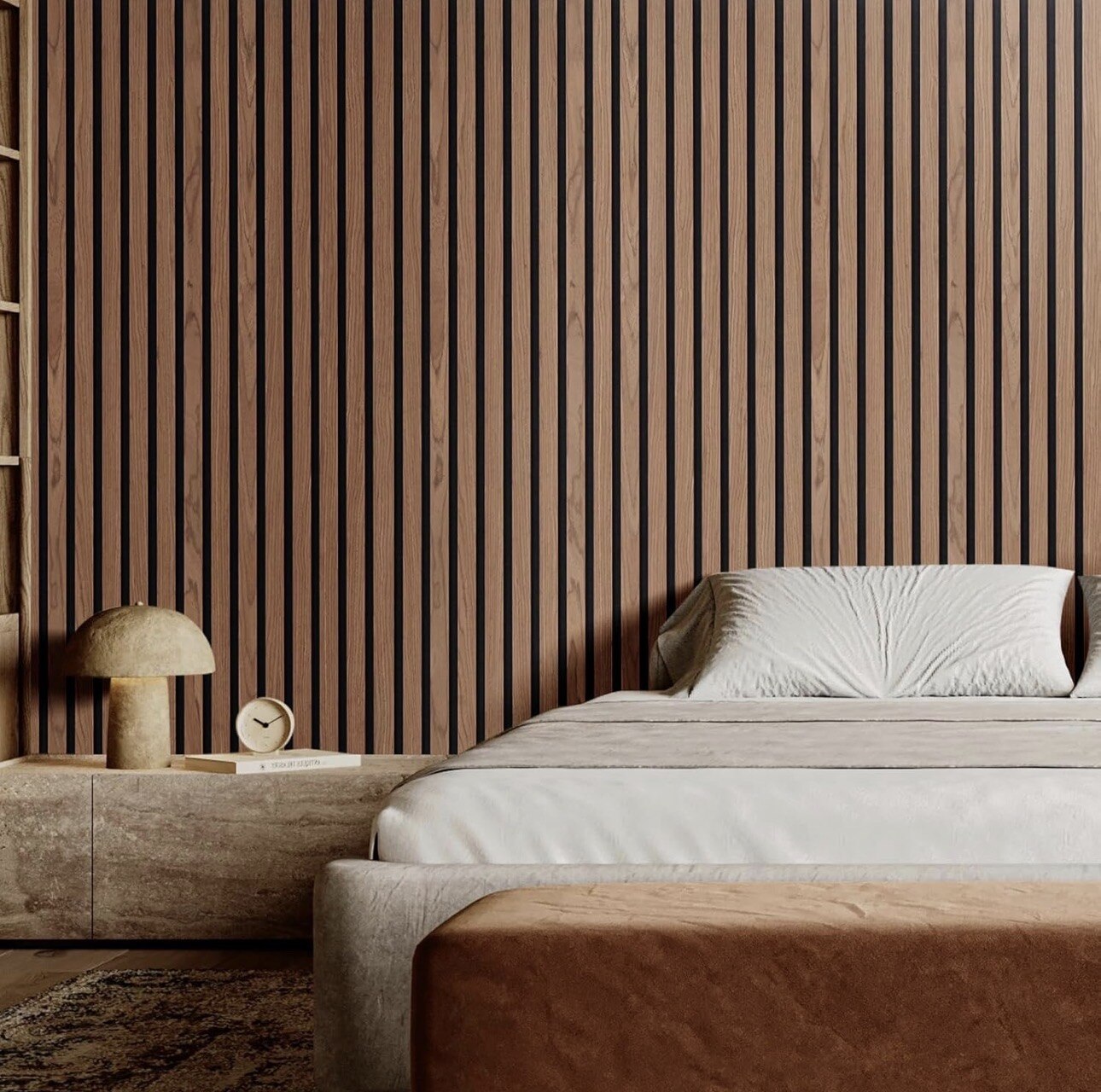
Wall moldings are a time-tested way to add architectural detail and elegance to any room. In Central Florida homes, where open layouts and natural light are prized, the challenge isn't whether to add molding—it's how to select styles and placement that enhance rather than overwhelm your space. The right wall molding ideas can define a room's character while keeping it feeling spacious and balanced.
Understanding Molding Scale and Proportion
The relationship between molding size and room dimensions matters more than most homeowners realize. Larger, bolder moldings work best in rooms with higher ceilings and generous square footage. Conversely, smaller, more delicate profiles suit rooms with standard eight-foot ceilings or more compact footprints. In Orlando homes with varying ceiling heights and room sizes, selecting molding that matches your space's proportions prevents the visual weight that makes rooms feel cramped.
Consider the room's existing architectural details, too. If you already have substantial crown molding or built-in shelving, adding heavy chair rails or thick baseboards can tip the balance toward visual clutter. Balance comes from layering complementary profiles at different heights rather than stacking profiles of equal prominence.
Strategic Placement for Open-Feel Design
Not every wall needs molding. Selective placement is what separates sophisticated design from busy, overwhelming spaces. Many designers in Central Florida recommend molding on feature walls—perhaps the wall behind a bed or the dining room accent wall—rather than circling the entire room. This creates focal points without requiring the eye to process detail work everywhere you look.
Chair rail molding, applied at roughly one-third room height, can visually widen narrow rooms when paired with paint colors that enhance the effect. Similarly, crown molding at ceiling height adds dimension without consuming floor or eye-level space. The key is choosing one or two molding styles per room rather than mixing multiple profiles.
Finish and Color Choices That Enhance Space
The color and finish of your molding dramatically affect whether it recedes or dominates. Molding painted to match walls creates subtle definition without visual weight. White or light-toned molding against darker walls creates contrast and makes rooms feel taller. Glossy finishes reflect light and can make tight spaces feel more open, while flat finishes are more forgiving in irregularly shaped rooms.
In Central Florida's warm, bright climate, light-colored molding typically complements the abundant natural light many homes enjoy. Darker, richly stained wood molding works in rooms where you want to create intimacy or formality—just ensure the room has sufficient volume to carry it without feeling closed-in.
Common Molding Types for Central Florida Homes
- Crown molding: Applied at the ceiling line for subtle height and elegance
- Baseboards: Foundation molding that grounds the room without competing for visual attention if kept proportional
- Chair rail: Horizontal molding at mid-wall height, useful for breaking up wall space in taller rooms
- Picture rail: A thinner, upper-wall molding that adds interest without the visual weight of crown molding
Choosing wall molding is as much about restraint and proportion as it is about style. When properly scaled and strategically placed, molding becomes an asset that defines your room's character. Whether you're renovating a kitchen, dining room, or bedroom in the Orlando area, understanding these principles helps ensure your molding selections enhance rather than clutter your space. Explore wall panel and molding options that complement your home's style and architecture, and consider consulting with a designer or installer familiar with Central Florida's varied home styles and lighting conditions.
Planning Your Molding Project: Questions to Ask
Before selecting and installing wall molding, clarify several practical considerations with your installer or designer. Understanding your priorities helps ensure the final result matches your vision and budget.
- What is the room's primary function? High-traffic areas like kitchens and hallways benefit from durable, easy-to-clean finishes, while bedrooms and formal living spaces allow for more delicate profiles.
- How do existing architectural features influence molding choice? Built-in cabinetry, fireplace mantels, and window casings should coordinate with new molding rather than compete for attention.
- What is your long-term maintenance comfort level? Stained wood molding requires periodic refinishing, while painted molding is more forgiving but may need touch-ups in high-humidity Florida environments.
- Does the room's lighting change throughout the day? Natural light from windows and skylights affects how molding color and finish appear, particularly important in Orlando homes with significant sun exposure.
Common Planning Mistakes to Avoid
Many homeowners overlook how molding interacts with adjacent rooms and flow patterns. Stopping molding abruptly at doorways creates visual discord; instead, consider how profiles transition between connected spaces. Additionally, applying identical molding throughout a home without regard for individual room proportions can result in designs that feel generic or overwhelming in some areas while underwhelming in others.
Another frequent misstep is selecting molding based solely on showroom samples viewed under controlled lighting. The same profile appears differently in a room with north-facing windows versus south-facing exposure, or in spaces with varied ceiling heights. Request samples installed in your actual rooms before making final decisions.
Confirm how molding installation coordinates with other planned updates, such as painting, flooring, or cabinetry. Sequencing matters for achieving clean, professional results and avoiding rework that increases time and costs.
Molding Materials: Choosing Between Wood, MDF, and Composite Options
Wall molding materials vary in durability, appearance, and cost, each suited to different applications and environments. Solid wood molding offers traditional aesthetics and can be stained or painted, though it requires more maintenance and responds to Florida's humidity changes. Medium-density fiberboard (MDF) accepts paint beautifully and resists warping, making it practical for moisture-prone Central Florida bathrooms and kitchens. Composite and engineered molding options provide stability and are often more cost-effective than solid wood while delivering clean, finished appearances.
Your choice depends on the room's exposure to moisture and temperature fluctuations. Kitchens, bathrooms, and enclosed porches—common in Orlando homes—benefit from moisture-resistant materials. Bedrooms, dining rooms, and formal living spaces accommodate a wider range of materials. Discuss material longevity and maintenance requirements with your installer, particularly regarding how Florida's humidity cycles affect your selected profile over time.
Lighting and Molding: How Your Room's Brightness Affects Design
Central Florida's intense natural light fundamentally changes how molding appears throughout the day. South-facing rooms with significant sun exposure showcase molding detail more dramatically, while north-facing spaces may require lighter finishes or higher-gloss applications to prevent molding from appearing dull or recessed. The angle and intensity of sunlight also shift seasonally, affecting how color reads in your space.
Before finalizing selections, observe your chosen molding samples at different times of day and in various lighting conditions—morning light, midday brightness, and evening ambient lighting all influence perception. This practice prevents selecting molding in showroom environments that looks markedly different once installed in your actual home's light.
When to Consult a Designer or Installation Professional
Homeowners unfamiliar with proportional relationships or unsure how molding coordinates with existing architectural details benefit from professional guidance. A designer or experienced installer familiar with Central Florida homes can evaluate your specific room dimensions, ceiling height, existing features, and lighting conditions to recommend profiles and placements suited to your space rather than generic industry standards.
Professional consultation is particularly valuable when planning molding across multiple connected rooms, ensuring transitions feel intentional and cohesive. Installers can also identify potential challenges—irregular walls, non-standard ceiling heights, or transitions to cabinetry—before work begins, preventing costly adjustments later. This upfront conversation clarifies scope, material options, and realistic timelines for your project.
Molding and Room Function: Tailoring Choices to How You Use Your Space
Different rooms demand different molding approaches based on how residents interact with the space. Active, high-traffic areas like hallways and kitchens require molding that withstands daily contact and cleaning without showing wear. Softer, more ornate profiles suit formal dining rooms or home offices where visual elegance matters more than durability. Bedrooms allow for personal style preferences—molding can be delicate or substantial depending on whether you want calm minimalism or rich architectural detail.
Bathrooms present unique challenges in Central Florida's humid climate. Molding materials and finishes must resist moisture absorption and mildew growth. This reality eliminates certain wood profiles and suggests moisture-resistant options like primed MDF or composite materials. Kitchens similarly benefit from finishes that withstand cooking moisture and are easily wiped clean. Understanding your room's functional demands prevents selecting beautiful molding that deteriorates prematurely or requires constant maintenance in Florida's subtropical conditions.
Budget Considerations and Material Trade-Offs
Molding costs vary based on material selection, profile complexity, and linear footage required. Solid wood typically costs more than MDF, while simpler profiles cost less than intricate designs. Rather than assuming budget limits your design, consider how strategic placement and material choices optimize value. Installing premium molding on a feature wall costs significantly less than circling an entire room, while still delivering noticeable character and impact.
Mixing materials—such as composite baseboards paired with wood crown molding—allows budgets to stretch while maintaining visual quality in prominent areas. Paint finishes cost less than stain but may require periodic touch-ups, while stained finishes demand professional refinishing every several years. Discussing these trade-offs with your installer helps identify cost-effective approaches aligned with your priorities and long-term maintenance commitment. Project costs and timelines vary based on room size, profile selection, material availability, and installation complexity—your installer can provide specifics for your particular scope.
Ready to stop living around a to-do list?
Get a free, no-pressure estimate and a real timeline — usually within 24 hours.