
What to Know Before Installing Large-Format Tile
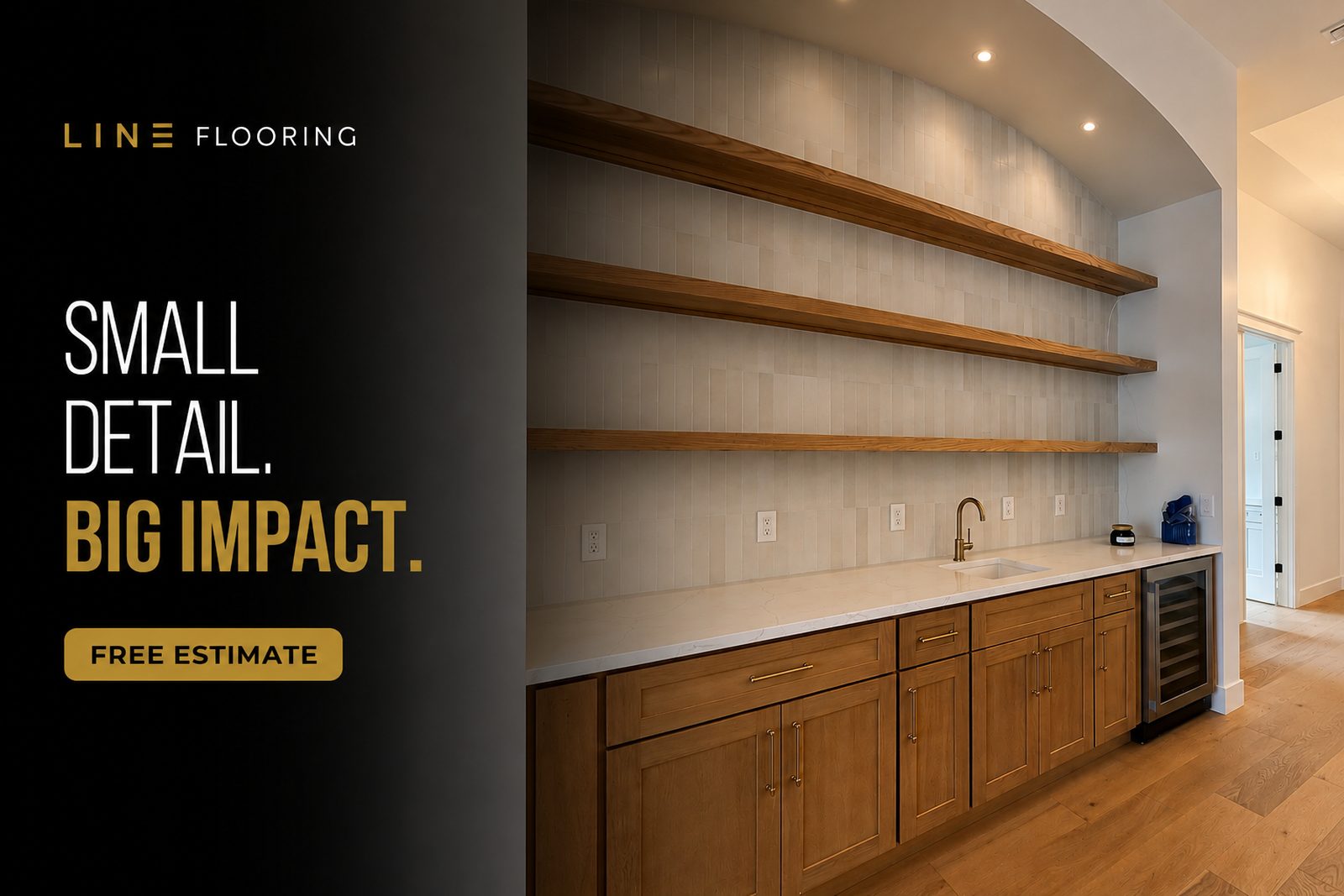
Large-format tile has become increasingly popular for modern kitchens, bathrooms, and living spaces throughout Central Florida. These oversized tiles—typically 24 inches or larger—create seamless, sophisticated designs with fewer grout lines. However, they require different planning and installation approaches than standard tile sizes. Understanding these key factors before your project starts helps ensure a successful result.
Substrate and Subfloor Preparation
The foundation beneath your tile matters significantly with large-format installations. Your subfloor must be level, stable, and structurally sound. Dips, slopes, or soft spots that might go unnoticed with smaller tiles become obvious and problematic with large-format pieces. Concrete slabs should be tested for moisture, especially in Florida's humid environment. Wood subfloors need to be properly supported and, in many cases, reinforced with additional plywood to minimize flex. If your subfloor isn't adequate, the tile installer will likely recommend addressing those issues first. This upfront investment prevents lippage (uneven tile edges), cracking, and costly repairs later.
Layout Planning and Waste
Large-format tiles require thoughtful layout planning. Unlike smaller tiles that can be easily cut and fitted around obstacles, oversized tiles produce visible cuts and patterns. A professional tile installer will typically plan your layout to minimize partial tiles in visible areas and create balanced visual lines. This often means starting from room centerlines rather than walls. Planning also affects material waste—larger tiles may require more careful measurement and cutting, so purchasing slightly more material than your square footage calculation provides a buffer. Discuss layout priorities with your installer before ordering, especially if you have architectural features like archways or islands.
Grout Line Decisions
One reason homeowners choose large-format tile is the appeal of minimal grout lines. However, the grout selection still matters for durability and maintenance. For kitchens and bathrooms in Central Florida, where moisture is constant, grout choice affects longevity. Sanded and unsanded grouts have different properties, and epoxy options offer enhanced stain and water resistance. Your installer can recommend the best grout type based on your tile material, application, and maintenance preferences. Learn more about grout selection for Florida homes.
Professional Installation Matters
Large-format tile installation is more forgiving in some ways and less forgiving in others. The larger surface area means fewer pieces to set, but each one must be placed with precision. Proper mortar coverage, alignment, and spacing require skill and experience. Working with an experienced tile installation specialist ensures that your large-format tile is set correctly and performs well over time. This is particularly important in Florida, where temperature swings, humidity, and moisture exposure can stress poorly installed tile.
Orlando and Central Florida Considerations
Florida's climate presents specific challenges for tile installations. High humidity, saltwater exposure in coastal areas, and occasional moisture intrusion mean your installation method and material selection must account for these conditions. Large-format tiles in kitchens and bathrooms benefit from proper ventilation planning and waterproofing, especially in wet areas. Your installer should be familiar with Florida-specific building practices and moisture management.
Before starting your large-format tile project, discuss substrate condition, layout preferences, grout options, and Florida-specific considerations with your installer. This preparation sets the stage for a beautiful, durable installation that enhances your Central Florida home for years to come.
Common Installation Challenges with Large-Format Tile
Large-format tile installations encounter specific challenges that differ from standard tile work. The weight of oversized tiles requires adequate mortar coverage and proper trowel technique to prevent hollow spots and eventual failure. Achieving consistent grout joint spacing becomes more visually critical when grout lines are minimal—even small variations in spacing become noticeable across a large tile surface. Additionally, cutting large-format tiles for edges, corners, and penetrations (like outlets or plumbing) demands precision equipment and expertise. Improper cuts can weaken tiles or create visible damage that's difficult to conceal.
Temperature fluctuations in Florida can cause movement between tiles and substrate, particularly with large surface areas. Using the correct mortar type and allowing proper curing time before grouting helps accommodate this natural movement. Your installer should also discuss expansion joint placement—these small gaps allow for seasonal expansion and contraction without causing cracking or lippage.
Maintenance and Long-Term Care
Large-format tiles are generally easier to maintain than smaller tiles because there are fewer grout lines to clean and seal. However, the care approach depends on your tile material and grout selection. Natural stone large-format tiles may require periodic sealing, while porcelain requires minimal maintenance. Grout maintenance varies—traditional grout benefits from annual sealing in high-moisture areas, while epoxy grout resists staining and moisture intrusion without sealing. Your installer should provide specific care recommendations for your chosen materials and Central Florida conditions.
Ask your tile installer about long-term performance expectations, recommended cleaning methods, and any maintenance schedules before the project begins. Understanding how to care for your installation helps preserve its appearance and durability throughout its lifespan.
Questions to Ask Your Tile Installer Before You Start
Having a detailed conversation with your installer before work begins protects your investment and sets clear expectations. Ask about their experience with large-format tile in Central Florida homes, their approach to substrate assessment, and whether they recommend any preparation work for your specific space. Understanding their layout strategy helps you visualize how partial tiles will be handled and where seams will fall. Discuss mortar type and coverage methods—installers should explain why they recommend specific products for your application and climate conditions.
Request clarity on grout timing, curing periods, and any access restrictions after installation. In Florida's climate, proper curing time is essential for long-term performance. Ask about warranty coverage for the installation workmanship and whether they provide maintenance instructions for your specific tile and grout combination. Finally, confirm the timeline, including any prep work, and discuss contingencies if substrate issues are discovered during installation. These conversations help ensure your large-format tile installation meets your expectations and performs well in Central Florida's demanding environment.
Material Selection Impact on Installation Approach
The type of tile you choose—porcelain, natural stone, or engineered materials—influences how your installer approaches the project. Porcelain large-format tiles are durable and moisture-resistant, making them excellent for kitchens and bathrooms throughout Central Florida. Natural stone tiles offer unique aesthetics but may require different handling, sealing, and moisture management strategies. Engineered stone provides consistent appearance with porcelain-like durability. Each material has different water absorption rates, thermal movement characteristics, and sensitivity to cleaning products. Your installer should guide you on which materials perform best for your room's function and location within your home.
Before finalizing your material choice, discuss with your installer how it will perform in your specific application, what preparation or protection it needs during installation, and any climate-related considerations unique to Central Florida. This consultation helps you select materials that will look beautiful and function reliably in your home.
Budget and Timeline Expectations for Large-Format Tile Projects
Large-format tile installations typically involve different labor and material considerations than standard tile work. The precision required, potential subfloor preparation, and specialized cutting equipment affect both project scope and duration. Budget and timeline vary significantly based on room size, existing subfloor condition, layout complexity, tile material selection, and whether prep work is needed. Coastal Central Florida properties may require additional moisture barriers or waterproofing measures that affect timing and cost.
Discuss your specific project scope with your tile installer early to understand what factors may influence the overall investment and completion timeframe. This conversation should include any discovered subfloor issues, layout changes, material sourcing, and proper curing periods required by Florida's climate conditions.
Avoiding Common Large-Format Tile Planning Mistakes
Homeowners often underestimate the importance of subfloor assessment before committing to large-format tile. Discovering structural issues mid-project creates delays and additional costs. Another frequent oversight is insufficient material ordering—large-format tiles sometimes have longer lead times, and ordering too little can result in delays or difficulty matching dye lots later.
Planning layout too late in the design process is another common mistake. Waiting until installation begins to address how partial tiles will be handled or where seams will fall can result in poor visual balance or compromised areas. Similarly, homeowners sometimes select grout or tile materials without consulting the installer about performance in Central Florida's humid conditions, leading to maintenance challenges or premature failure. Having these detailed conversations with your installer during the planning phase prevents costly corrections and ensures your finished installation meets both aesthetic and performance expectations.
Ready to stop living around a to-do list?
Get a free, no-pressure estimate and a real timeline — usually within 24 hours.