
Can Epoxy Flooring Handle Florida Garage Conditions?
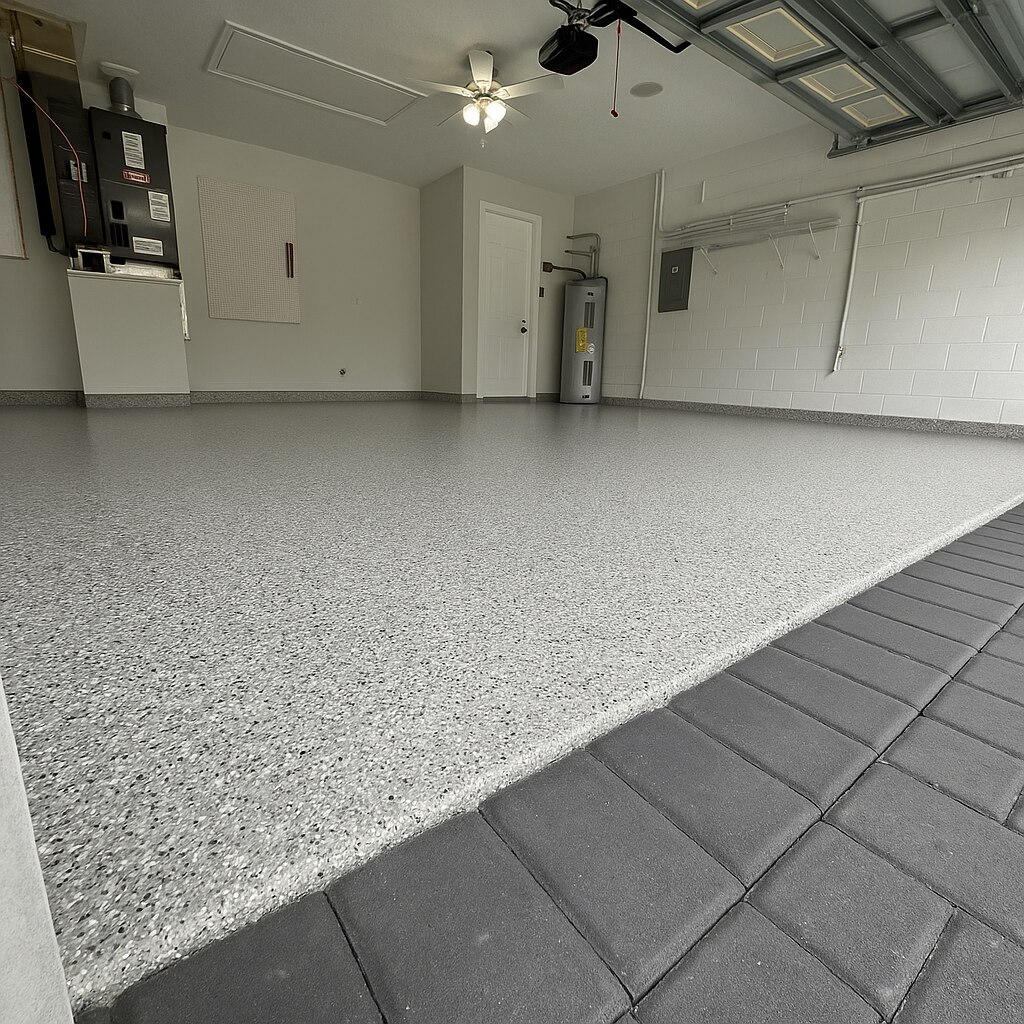
Florida garages face unique environmental challenges—intense heat, high humidity, salt air in coastal areas, and temperature swings from air conditioning. If you're considering epoxy flooring for your garage in Central Florida, understanding how the material performs in these conditions is essential before making your investment.
How Epoxy Performs in Florida's Climate
Epoxy is a synthetic polymer coating that can handle the demands of Florida garage environments when properly installed and maintained. The material itself resists moisture absorption, which is a significant advantage in a humid climate. High-quality epoxy formulations are designed to cure and harden in ways that make them resistant to water damage, mold, and mildew—common concerns in Florida homes.
Heat is another factor. Florida garages can reach high temperatures, especially during summer months or in uninsulated spaces. Epoxy floor coatings generally remain stable in heat, though extreme temperature fluctuations can stress any flooring material. Proper surface preparation and professional installation help minimize stress on the coating.
Humidity and Moisture Considerations
Central Florida's humidity levels demand attention during both installation and use. Epoxy requires specific conditions to cure properly—typically moderate temperatures and controlled humidity. High humidity during application can interfere with the curing process, which is why professional installation by experienced contractors matters. After curing, epoxy's moisture resistance becomes an asset in preventing water damage and staining from wet vehicles or seasonal flooding.
That said, epoxy is not waterproof in the absolute sense. Standing water or persistent moisture underneath the coating can eventually cause adhesion problems. Proper garage grading and drainage help protect any flooring, including epoxy systems.
Salt Air and Coastal Considerations
If your Orlando or Central Florida garage is near coastal areas, salt exposure can degrade some flooring materials over time. Epoxy coatings generally resist salt spray better than bare concrete, though the underlying concrete substrate may require extra protection. Discuss salt-air durability with your flooring contractor if you're within a few miles of the coast.
Installation and Preparation Matter Most
The success of epoxy flooring in Florida garages depends heavily on how the concrete is prepared before coating. Moisture testing is essential in Florida's climate. If the concrete substrate holds excess moisture, epoxy adhesion can fail regardless of product quality. Professional installers test moisture levels and use appropriate primers or moisture barriers when needed.
Surface cleaning, concrete crack repair, and proper bonding all influence long-term performance. Skipping these steps to save money often results in coating failure within a few years.
Maintenance and Longevity
Epoxy-coated garage floors in Florida require regular maintenance to extend their lifespan. Routine cleaning, prompt spill cleanup, and avoiding harsh chemicals help preserve the coating. During Florida's rainy season, ensure your garage floor slopes correctly so water doesn't pool on the surface.
The lifespan of an epoxy garage floor varies based on traffic, maintenance, and local conditions. Professional installation and consistent care support better durability in Florida's demanding climate.
Next Steps
If you're evaluating epoxy flooring for a Central Florida garage, start with a consultation to assess your specific space, moisture levels, and expectations. For more on flooring options suited to Florida's environment, see our guide to epoxy solutions for Florida homes.
Common Questions About Epoxy in Florida Garages
Homeowners often ask whether epoxy can yellow or discolor under Florida's intense UV exposure. While epoxy is generally UV-stable, some formulations may fade slightly over time with direct sunlight. Discuss UV-resistant epoxy options with your contractor if your garage has large windows or doors facing south or west.
Another concern is whether epoxy can handle the temperature swings between a hot garage and an air-conditioned home. Epoxy itself tolerates temperature fluctuations well, though the concrete substrate can expand and contract. Proper curing and adequate surface preparation reduce stress-related issues.
Key Questions to Ask Your Contractor
- What moisture testing methods will be used before installation, and what results qualify the concrete for epoxy?
- Does the epoxy system include a moisture barrier or primer suited to Florida humidity?
- Is the product formulated for UV resistance if the garage receives direct sunlight?
- What warranty or guarantee does the installation come with, and what conditions void it?
- How should I maintain the floor during Florida's rainy season?
- If I live near coastal areas, what extra precautions are recommended for salt protection?
Planning Your Epoxy Installation
Timing your epoxy installation matters in Florida. The ideal window is during drier months when humidity is lower and temperature swings are less extreme. Avoid scheduling during peak rainy season if possible, as curing conditions are harder to control. Discuss seasonal planning with your contractor to understand how Florida's weather patterns affect the project timeline and final outcome.
Before committing, clarify what surface preparation your contractor includes. High-quality preparation—including moisture testing, concrete repairs, and appropriate bonding—protects your investment far more than the epoxy product alone.
Epoxy vs. Alternative Garage Flooring for Florida
Homeowners sometimes wonder whether epoxy is the best choice compared to other garage flooring options available in Central Florida. Concrete sealers offer simpler maintenance but less durability under heavy traffic. Polished concrete provides a professional look without added coating thickness. Garage tiles allow for easy replacement of damaged sections but may shift under temperature changes. Each option has trade-offs in appearance, longevity, and cost. Epoxy's strength lies in its adhesion to concrete, chemical resistance, and seamless finish—advantages that matter for active garages where vehicles, tools, and spills are daily realities. Understanding what matters most for your specific use helps clarify whether epoxy aligns with your priorities.
What Moisture Testing Reveals About Your Garage
Before committing to epoxy, moisture testing serves as your foundation for success in Florida. Concrete naturally contains moisture, and Florida's humidity accelerates that absorption. Standard testing methods measure moisture vapor emission rates from the concrete slab. Results determine whether the concrete is ready for epoxy application or requires a moisture barrier system. High moisture readings don't disqualify epoxy—they signal which epoxy system your contractor should recommend. Some epoxy products are designed to bridge moisture issues; others demand a moisture-blocking primer first. Skipping this test is a primary cause of epoxy failure in humid climates. Ask your contractor to provide written moisture test results before any work begins, and request an explanation of what those numbers mean for your project.
Preparing for Year-Round Florida Weather
Florida's weather patterns create distinct challenges across seasons. Summer heat and afternoon thunderstorms bring temperature swings and flooding risk. Winter months offer the most favorable curing conditions but represent a shorter installation window. Spring and fall bring unpredictable humidity and occasional freeze-thaw cycles that stress coatings. Understanding these seasonal realities helps you plan installation timing and ongoing maintenance. After epoxy is installed, proper drainage remains critical year-round. Even properly sealed epoxy floors can experience adhesion problems if water pools on the surface during heavy rain. Confirm that your garage floor slopes toward drains or exits so standing water never sits on the epoxy coating.
Epoxy Thickness and Protection Levels for Florida Garages
Epoxy flooring comes in different thickness grades, and understanding these options helps you match protection to your garage's actual use. Thinner epoxy coatings (around 2–3 mils) provide basic protection and aesthetic appeal but offer less resistance to heavy impacts or abrasion. Thicker systems (4–6 mils or higher) add durability for garages where vehicles park regularly, tools are stored, and spills occur frequently. Florida's moisture environment makes thicker applications worthwhile in many cases, as the additional coating layer provides extra defense against water seeping through cracks or edges. Your contractor should explain coating thickness options and recommend a grade that matches your specific garage conditions and traffic patterns.
Post-Installation Care During Florida's Rainy Season
Once epoxy is cured and ready for use, Florida's rainy season requires attentive care to protect your investment. Heavy rainfall, occasional flooding, and high water table conditions in some Central Florida areas mean water management becomes part of your maintenance routine. Beyond ensuring proper floor slope, monitor your garage for any signs of water pooling after storms. If water does accumulate on the epoxy surface, dry it promptly to prevent moisture from finding its way beneath the coating. Check that garage doors seal properly and that any cracks in the concrete substrate are sealed before epoxy is applied—water entering through cracks undermines even the best epoxy systems. During the rainy season, avoid storing items directly on wet garage floors and ensure adequate ventilation to manage humidity levels inside the space.
Choosing Between Glossy and Matte Epoxy Finishes in Florida Light
Epoxy flooring typically comes in glossy, semi-gloss, or matte finishes. Florida's intense sunlight can make glossy epoxy very reflective and potentially slippery when wet—a concern in garages where moisture from vehicles or rainy-season humidity is common. Matte or semi-gloss finishes reduce glare, provide better traction in wet conditions, and may hide dust and dirt more effectively than high-gloss options. The finish choice also affects how often you'll notice dirt or minor staining. Discuss finish options during your contractor consultation, particularly if your garage receives direct sunlight or if slip resistance matters for safety in your household.
Ready to stop living around a to-do list?
Get a free, no-pressure estimate and a real timeline — usually within 24 hours.