
How to Choose an Epoxy Floor Finish for Your Garage
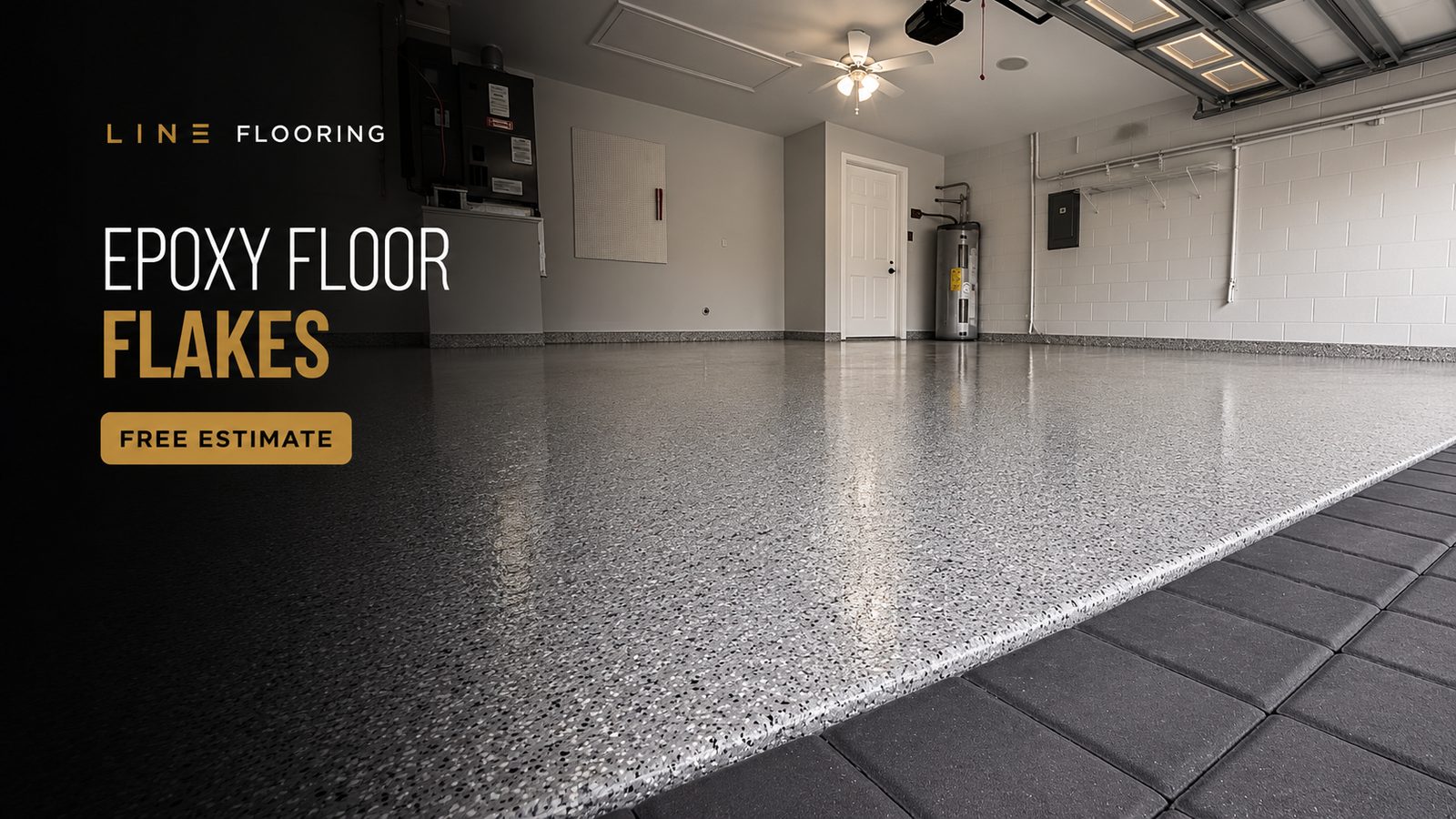
An epoxy floor finish can transform a garage from a utilitarian space into a durable, attractive surface that handles heavy foot traffic, vehicle weight, and chemical spills. If you're considering epoxy flooring for your garage, understanding the different finish types available will help you make a choice that fits your needs and preferences.
What Epoxy Finishes Are Available
Epoxy comes in several finish options, each with distinct visual and performance characteristics. The most common choices include high-gloss, satin, and matte finishes. High-gloss finishes offer a reflective, polished appearance that brightens the space and shows detail clearly. Satin finishes provide a subtle sheen that balances appearance with reduced glare. Matte finishes deliver a modern, non-reflective look that can mask dust and minor imperfections more easily.
Beyond finish sheen, epoxy systems vary in their formulation. Some products include flakes or decorative elements embedded in the coating, while others are solid colors. Textured finishes add slip resistance, which is particularly useful in garages where wet or oily conditions might occur.
Consider Your Garage's Light and Space
Orlando's natural light conditions and your garage's existing brightness should influence your choice. A high-gloss finish reflects light effectively, which can make a darker garage feel more open and reduce the need for additional lighting. However, if your garage receives significant direct sunlight or you prefer a less reflective surface, a satin or matte finish may be more comfortable to work in over long periods.
The size of your garage also matters. High-gloss in a compact space can feel bright and clean, while in a large garage, it may create an institutional appearance. Consider how the finish will complement your home's overall aesthetic.
Durability and Maintenance Requirements
All quality epoxy finishes are durable, but maintenance expectations differ slightly by type. High-gloss finishes require more frequent cleaning to maintain their shine and can show footprints and dust more readily. Satin finishes hide dust reasonably well while remaining easy to clean. Matte finishes are the most forgiving for hiding minor debris and dust between cleanings.
Textured or flaked finishes offer practical benefits in a garage setting. They provide better traction, which is important if your garage floor is ever wet or exposed to spills. The texture also helps disguise wear patterns from vehicle tires and foot traffic.
Performance in Central Florida Conditions
Central Florida's humidity and temperature fluctuations are routine factors for any flooring choice. Quality epoxy finishes are formulated to resist humidity and temperature swings. When selecting a finish, verify that the product is rated for your climate and application. This is also a good time to confirm whether the epoxy system includes UV protection, as Florida's intense sunlight can affect certain coatings over time.
Next Steps for Your Selection
The best finish for your garage depends on your visual preferences, maintenance tolerance, and functional needs. Visiting a flooring showroom to see finish samples under different lighting conditions can be very helpful. You can also review options with a flooring professional who understands Central Florida properties and can recommend finishes that perform well in your area's specific conditions.
If you're exploring epoxy as a finishing option, consider how it will integrate with your overall home design and daily use patterns. With the right finish selected, your garage floor can deliver both aesthetic appeal and long-term durability.
Common Finish Selection Mistakes to Avoid
Homeowners often overlook important details when choosing an epoxy finish. One frequent mistake is selecting a finish based solely on appearance without considering the garage's actual use. If you plan to park vehicles, store equipment, or work on projects regularly, slip resistance should weigh heavily in your decision. A beautiful high-gloss finish may become a safety concern on a wet floor.
Another common oversight is failing to account for the existing garage condition before application. Epoxy adheres best to properly prepared concrete, so the finish you select should be paired with appropriate surface preparation. Dust, moisture, or existing coatings can affect how any epoxy finish performs, regardless of which type you choose.
Homeowners also sometimes assume all epoxy products perform identically in Florida's climate. Product formulation matters significantly. Confirming that your chosen finish includes protection against humidity, temperature swings, and UV exposure specific to Central Florida conditions ensures better long-term results.
Questions to Ask Before Committing
Before finalizing your epoxy finish selection, clarify several important details with your flooring professional. Ask about the specific product specifications, including whether it's rated for residential garage use in Florida's climate. Confirm how the finish performs in wet conditions and whether it includes anti-slip properties if that's a concern for your space.
Inquire about surface preparation requirements and whether the existing concrete condition might affect finish performance. Ask for guidance on maintenance routines specific to your chosen finish, including cleaning products to use or avoid. It's also helpful to ask whether the finish can be refreshed or recoated in the future if you want to update the appearance.
Understanding the application timeline and cure time before the floor can be used is practical information that affects your planning. These conversations help ensure your selected finish aligns with both your expectations and your garage's specific requirements.
Epoxy Finish Options Beyond Standard Sheens
Beyond the standard high-gloss, satin, and matte finishes, epoxy systems offer specialized options that may suit specific garage needs. Metallic epoxy finishes create a three-dimensional, flowing appearance that adds visual depth and sophistication to the space. These finishes work well in garages that serve as showcase spaces or workshops where aesthetics matter alongside function.
Flaked epoxy systems blend colored or metallic chips throughout the coating, creating a granite-like appearance. This option masks imperfections exceptionally well and provides visual interest while maintaining durability. Some flaked systems include added slip resistance, making them practical for garages where wet conditions are common.
Clear epoxy topcoats are sometimes applied over colored base layers to enhance protection and longevity. If you're considering a multi-layer approach, discuss with your flooring professional how additional clear coatings affect the final appearance and maintenance requirements.
Assessing Your Actual Garage Activities
Your chosen epoxy finish should match how you actually use your garage. If your garage primarily houses vehicles, a standard durable finish may meet your needs. However, if you work with tools, perform maintenance on equipment, store chemicals, or use the space as a workshop, additional considerations apply.
Evaluate whether spills are likely and what types they might be. Oil, gasoline, and cleaning products require a finish with strong chemical resistance. If you park wet vehicles or pressure-wash the floor occasionally, slip resistance and water management become important factors. Consider whether you need a finish that's easy to deep clean or one that can handle abrasive cleaning methods without degrading.
Reflect on foot traffic patterns as well. Heavy foot traffic in certain areas may show wear differently depending on the finish type you select. Textured or flaked finishes typically hide wear patterns better than solid, smooth finishes, which can reveal scuff marks and traffic paths more visibly over time.
Planning for Installation and Downtime
Different epoxy finish types may have varying application requirements and cure times. Some finishes require specific temperature and humidity conditions during application, which can affect scheduling in Central Florida. High humidity can interfere with certain epoxy systems, so installation timing may need consideration during rainy seasons.
Cure time before the garage can be used varies by product formulation. Some epoxy finishes cure faster than others, affecting how long your garage will be unavailable. Discuss realistic timelines with your flooring professional, as individual product specifications and site conditions influence actual downtime for your project.
Ready to stop living around a to-do list?
Get a free, no-pressure estimate and a real timeline — usually within 24 hours.