
Best Flooring for a Rental Property in Central Florida
 Best Flooring for Rentals
If you own a rental property in Orlando, Kissimmee, or anywhere in Central Florida, flooring decisions look different than they do for a home you plan to live in for the next 20 years. You're not picking based on what you love most - you're picking based on what survives tenant turnover, hides wear, and doesn't eat your profit margin every time someone moves out. Here's how to think about it honestly.
Durability matters more than looks
Tenants don't treat floors the way owners do. Furniture gets dragged, pets have accidents, kids scuff baseboards, and move-out cleaning is rarely gentle. Whatever you install needs to survive multiple lease cycles without needing a full replacement every year or two. That rules out a lot of soft, easily-damaged materials right away, even if they look great in photos for the listing.
Why LVP is the go-to for rental units
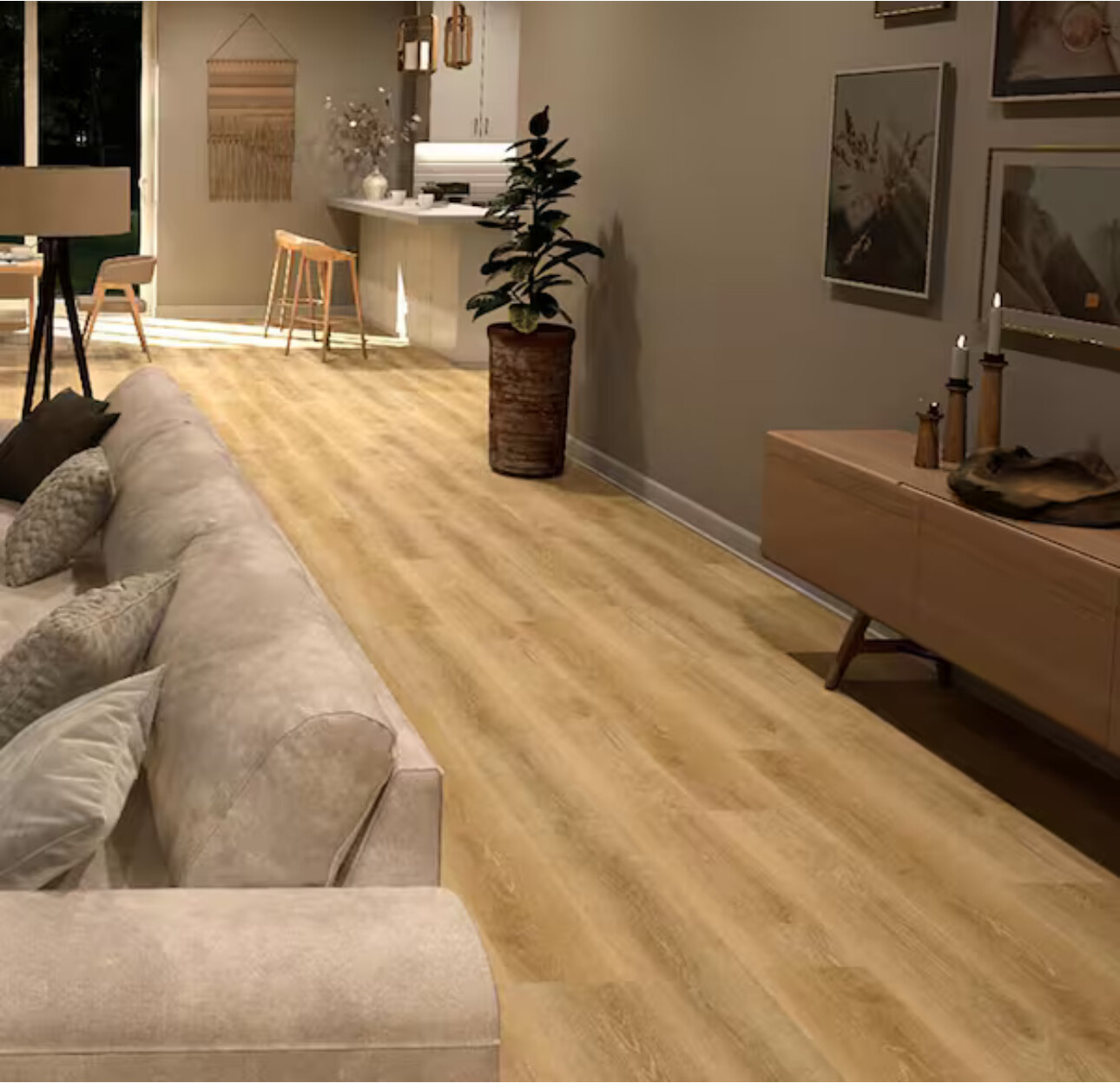
Luxury vinyl plank has become the standard for rental properties for a reason. It's waterproof, so it handles bathroom and kitchen splashes, pet accidents, and Florida humidity without warping. It's scratch-resistant enough to survive normal foot traffic and furniture moves, and it's forgiving to install - which matters if you're turning a unit quickly between tenants. It also photographs well for listings, giving you a rental that shows better than carpet without the fragility of hardwood.
Carpet still has a place in some rental bedrooms, especially if you're targeting tenants who want that soft feel underfoot, but it wears out faster, stains permanently, and often needs replacing between every tenant - which adds up fast if you have multiple units. Tile is extremely durable and a smart choice for entryways or wet areas, but grout lines can get grimy over time and tile is less forgiving if a tenant drops something heavy.
Cost per square foot vs. cost per tenant turnover
The mistake a lot of landlords make is looking only at the upfront installed cost per square foot and picking the cheapest option. The smarter math is cost divided by how many years and tenant turnovers the floor will actually survive. A slightly more expensive waterproof floor that lasts through five tenants without a full replacement is cheaper in the long run than a bargain floor you're patching or replacing every single turnover. Factor in not just material cost but the labor and vacancy time every replacement costs you.
One floor throughout, or room by room?
For most rental units, running the same waterproof flooring throughout the entire unit - bedrooms included - makes life easier. It simplifies repairs, since you can pull material from one area to patch another if you kept extra boxes on hand. It also avoids transition strips between rooms, which are one more thing that can get damaged or come loose. If budget is tight, prioritize high-traffic and high-moisture areas first: kitchens, bathrooms, entryways, and living rooms, and consider carpet only in bedrooms if you want to keep costs down initially.
Our honest recommendation for most Central Florida rental properties: waterproof LVP throughout the main living areas and kitchen, tile in bathrooms, and skip carpet unless you have a specific reason to keep it. It costs a bit more upfront than the cheapest option on the shelf, but it holds up to real tenant use, doesn't require replacement after every lease, and keeps your maintenance calls and turnover costs down over time - which is what actually protects your margin as a landlord.
Ready to stop living around a to-do list?
Get a free, no-pressure estimate and a real timeline — usually within 24 hours.