
Best Flooring for a Florida Sunroom or Lanai Conversion
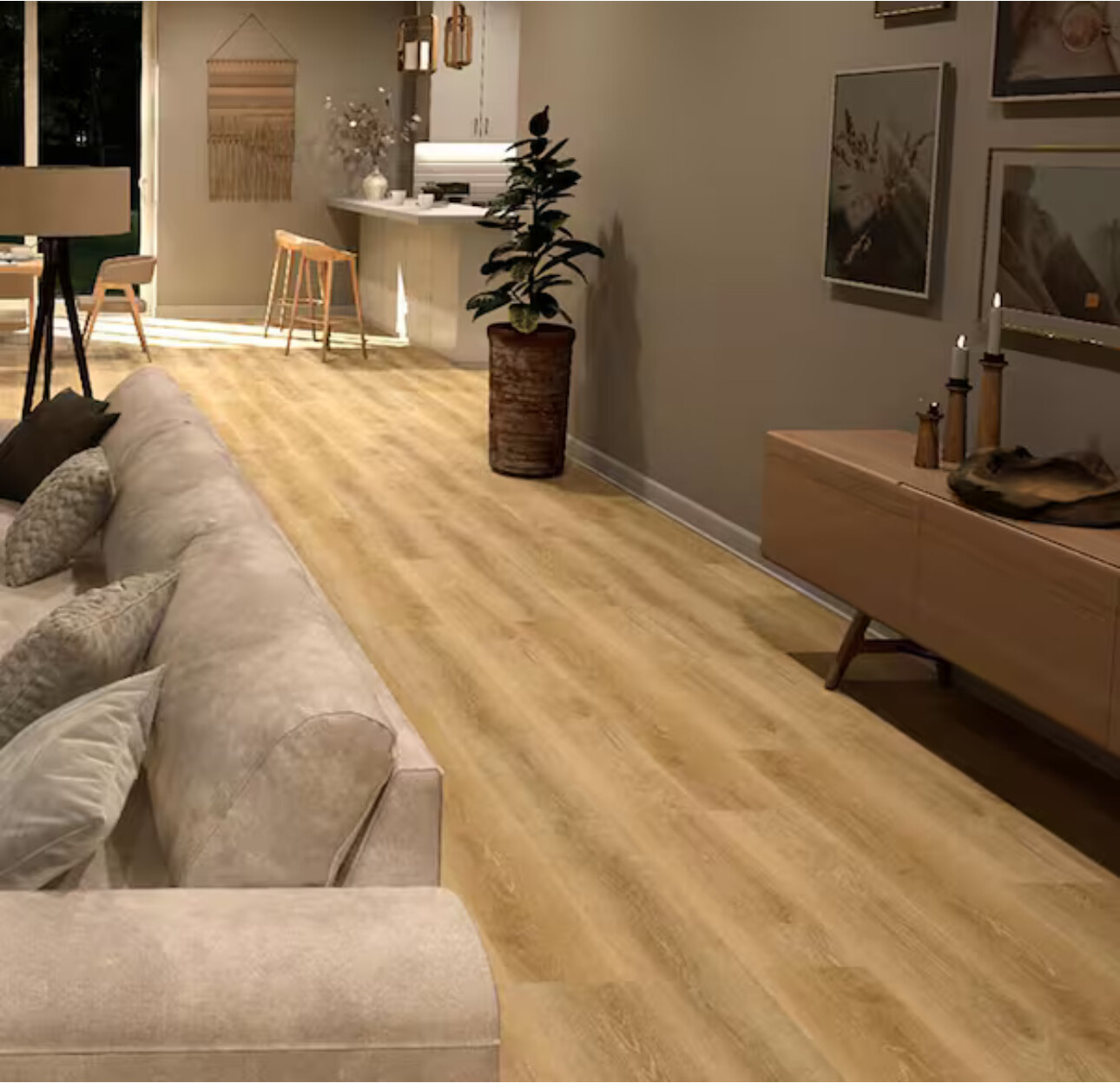 Best Flooring Sunroom Lanai
A lot of Central Florida homeowners are converting their screened lanais and sunrooms into full-time living space, especially in Windermere, Winter Garden, and Dr. Phillips where lot sizes make every square foot count. The problem is these rooms take a beating that the rest of the house never sees: direct sun through glass, big daily temperature swings, and often higher humidity than an interior room. Picking the wrong flooring here means cupping, fading, or a floor that feels like an oven by 3pm.
Why sunrooms are a different flooring challenge
Most interior rooms stay within a fairly narrow temperature and humidity range. A sunroom or converted lanai doesn't. Glass walls and roofs amplify heat, and if the space isn't fully conditioned the same way as the rest of the house, moisture and temperature swings are more extreme. That combination causes real problems for materials that expand and contract with heat, or that absorb moisture, like solid hardwood or certain laminates.
Luxury vinyl plank is usually the safest bet
LVP handles heat and humidity better than almost anything else in this price range. It's fully waterproof, it doesn't swell or warp with moisture the way wood-based products can, and it holds up reasonably well to UV exposure compared to laminate, especially if you choose a product built for it. It's also comfortable underfoot, which matters in a room that's often used for lounging, reading, or as an extra living area rather than a hallway you just walk through.
Tile is the toughest option, but has tradeoffs
Porcelain tile is essentially immune to heat and moisture damage, which makes it a strong choice for a lanai conversion, especially one that isn't perfectly climate controlled. The tradeoff is comfort and heat retention. Tile can get hot to the touch in direct sun, and it's a harder, colder surface than vinyl, which some homeowners love for a sunroom and others find less inviting for a space meant to feel cozy. If you go this route, a lighter tile color will stay cooler than a dark one.
What to avoid
Solid hardwood and most laminate flooring are poor choices for a sunroom or lanai conversion. Solid wood expands and contracts with humidity swings and can cup or gap over time in a room with less consistent climate control. Laminate's fiberboard core is vulnerable to any moisture intrusion, and direct sun exposure over years can fade or degrade the wear layer faster than in a shaded interior room. Carpet is also a bad fit here since it holds moisture and heat and tends to look worn quickly in a sun-heavy space.
If your sunroom or lanai conversion is going to be lived in year-round, waterproof LVP is the flooring we recommend most often for Central Florida homeowners because it balances comfort, durability, and cost. If the space gets intense, direct sun for hours a day or isn't fully climate controlled, porcelain tile is the more bulletproof choice even with the comfort tradeoff. Either way, talk through your specific room's sun exposure and insulation with your flooring installer before you buy material, since two lanais on the same street can have very different conditions. If you're enclosing or re-screening the room as part of the conversion, see our screen room installation services.
Ready to stop living around a to-do list?
Get a free, no-pressure estimate and a real timeline — usually within 24 hours.